
7 Top Payment Methods for Retailers to Adopt in 2025
January 6, 2026
More than 75 percent of American shoppers now expect digital and flexible payment choices wherever they buy. For payment managers at United States retail chains, staying ahead in this fast-changing environment means more than just accepting cards. Adopting digital wallets and alternative solutions will define customer loyalty, efficiency, and security in the coming year. Discover how you can position your brand to meet customer demands and drive revenue as the payment landscape shifts.
Table of Contents
- 1. Embracing Digital Wallets For Seamless Transactions
- 2. Integrating BNPL Solutions To Capture More Sales
- 3. Offering Pay By Bank For Lower Fees And Speed
- 4. Accepting Crypto Payments To Attract New Customers
- 5. Enabling Financing Options For Bigger Purchases
- 6. Choosing A Processor-Agnostic Platform For Flexibility
- 7. Leveraging Omnichannel Platforms Like SensePass
Quick Summary
| Key Insight | Explanation |
|---|---|
| 1. Integrate Multiple Digital Wallets | Supporting various digital wallets enhances customer convenience and meets evolving payment preferences. |
| 2. Implement Buy Now, Pay Later Options | Offering BNPL can increase sales and attract customers who prefer flexible payment arrangements. |
| 3. Utilize Pay by Bank for Cost Efficiency | Adopting pay by bank methods reduces fees and improves transaction speed, enhancing overall profitability. |
| 4. Accept Cryptocurrency for Broader Appeal | Cryptocurrency payment options can attract tech-savvy consumers and support international transactions with reduced fees. |
| 5. Choose Processor-Agnostic Solutions | A processor-agnostic approach allows flexibility and adaptability in payment processing, optimizing operations and reducing costs. |
1. Embracing Digital Wallets for Seamless Transactions
Digital wallets have transformed how retailers process payments, offering consumers lightning fast and secure transaction experiences. By integrating digital payment technologies, businesses can significantly enhance customer convenience and streamline checkout processes.
With over 6 billion smartphone users globally, digital wallets like Apple Pay and Google Pay are projected to process an astonishing $12 trillion in transactions by 2026. This massive shift represents a critical opportunity for retailers to modernize their payment infrastructure and meet evolving consumer expectations.
Key Benefits of Digital Wallets:
• Faster transaction processing
• Enhanced security features
• Reduced checkout friction
• Improved customer experience
Successful digital wallet integration requires understanding consumer preferences and selecting platforms that offer seamless, secure payment experiences. Retailers should focus on supporting multiple digital wallet options like PayPal, Venmo, Apple Pay, and Google Pay to maximize customer satisfaction.
By adopting digital payment technologies, businesses can not only meet current consumer demands but also position themselves at the forefront of payment innovation. The key is selecting flexible payment solutions that integrate smoothly with existing point of sale systems.
Pro tip: Conduct a thorough audit of your current payment systems and identify potential digital wallet integration points to minimize disruption and maximize customer adoption.
2. Integrating BNPL Solutions to Capture More Sales
Buy Now, Pay Later (BNPL) solutions are transforming retail payment strategies by offering consumers flexible purchasing options that drive sales and customer engagement. These innovative payment methods allow shoppers to split purchases into manageable installments without traditional credit card interest.
Over 180 million BNPL loans were processed in the U.S. by 2021, demonstrating the rapid adoption of this payment approach. BNPL platforms like Klarna, Affirm, and Afterpay enable retailers to increase average transaction values and attract customers who prefer more flexible spending options.
Key Strategic Benefits:
• Enhanced purchase conversion rates
• Higher average order values
• Expanded customer demographic reach
• Reduced financial barriers to purchasing
Successful BNPL integration requires selecting platforms that seamlessly connect with your existing point of sale systems. Retailers must carefully balance consumer flexibility with potential over-indebtedness risks, ensuring responsible lending practices while maintaining customer attraction.
To maximize BNPL effectiveness, retailers should offer multiple installment providers, clearly communicate payment terms, and train staff to explain these options confidently. Understanding your customer base and their financial preferences will help you implement BNPL solutions that genuinely enhance purchasing experiences.
Pro tip: Conduct periodic customer surveys to understand preferred BNPL platforms and assess the actual impact on your sales conversion rates.
3. Offering Pay by Bank for Lower Fees and Speed
Pay by bank represents a revolutionary payment method that enables retailers to process transactions directly from customers bank accounts with unprecedented speed and minimal transaction costs. This emerging payment strategy bypasses traditional card networks, offering a more direct and efficient financial pathway.
Open banking APIs and real-time payment systems are accelerating pay by bank solutions, creating opportunities for businesses to reduce processing expenses and improve transaction efficiency. By authenticating payments through bank login credentials, retailers gain enhanced security and lower processing fees compared to credit card transactions.
Key Advantages of Pay by Bank:
• Significantly reduced transaction fees
• Higher payment security
• Faster money availability
• Direct bank account authentication
• Simplified payment reconciliation
Faster payment options continue to constitute a substantial portion of transaction values in the U.S. Retailers can leverage platforms like Trustly and LinkMoney to implement these solutions, providing customers with convenient and cost effective payment alternatives.
Successful implementation requires selecting payment providers with robust security protocols, seamless integration capabilities, and comprehensive bank network coverage. Retailers should prioritize solutions that offer transparent fee structures and minimal friction in the payment process.
Pro tip: Conduct a comprehensive cost benefit analysis comparing your current payment processing fees with potential pay by bank solutions to determine actual savings potential.
4. Accepting Crypto Payments to Attract New Customers
Cryptocurrency payments represent a cutting edge opportunity for retailers to expand their customer base and embrace innovative transaction technologies. By accepting digital currencies like Bitcoin and Ethereum, businesses can tap into a growing market of tech forward consumers seeking modern payment experiences.
Accepting cryptocurrency payments can expand a retailer’s customer base by attracting tech-savvy buyers and enabling international transactions with reduced fees and increased transaction speed. The decentralized nature of blockchain technology offers enhanced security and fraud protection compared to traditional payment systems.
Strategic Benefits of Crypto Payments:
• Attract younger technology enthusiasts
• Reduce international transaction fees
• Enable faster global transactions
• Enhance payment security
• Differentiate from competitors
Blockchain technology can improve payment systems by enhancing security, transparency, and programmability, making cryptocurrency a complementary payment method for forward thinking retailers. Platforms like BitPay and Coinbase offer seamless integration solutions that simplify crypto payment acceptance.
Successful implementation requires selecting reliable payment processors, understanding regulatory requirements, and developing clear policies for cryptocurrency transactions. Retailers should consider partnering with crypto payment providers that offer robust conversion tools to mitigate price volatility risks.
Pro tip: Start with a limited crypto payment rollout targeting specific product lines or customer segments to minimize initial financial exposure and gauge market response.
5. Enabling Financing Options for Bigger Purchases
Financing options have become a critical strategy for retailers seeking to increase sales and provide customers with flexible purchasing power. By offering tailored credit solutions, businesses can help consumers afford larger purchases while simultaneously boosting their own revenue potential.
Buy Now, Pay Later financing enables consumers to make larger purchases by splitting payments into installments without interest if paid on schedule. This approach particularly benefits consumers who might not qualify for traditional credit cards, expanding their purchasing capabilities.
Strategic Advantages of Financing Options:
• Increased average order values
• Higher sales conversion rates
• Broader customer accessibility
• Enhanced customer loyalty
• Reduced financial barriers
Small and medium-sized enterprises can leverage innovative financing solutions to manage cash flow and support larger retail investments. Platforms like WeGetFinancing and Affirm offer flexible credit options that can be seamlessly integrated into existing payment systems.
Successful implementation requires careful partner selection, transparent terms, and a clear understanding of customer financial preferences. Retailers should prioritize financing solutions that offer simple application processes, competitive rates, and quick approval times.
Pro tip: Conduct periodic customer surveys to understand preferred financing terms and adjust your offerings to match evolving consumer financial needs.
6. Choosing a Processor-Agnostic Platform for Flexibility
Processor-agnostic payment platforms represent a strategic breakthrough for retailers seeking maximum payment processing adaptability. These innovative solutions empower businesses to transcend traditional payment infrastructure limitations by supporting multiple processors and payment methods.
Processor-agnostic platforms allow retailers to connect with multiple payment processors seamlessly, reducing dependency on any single processor and enhancing operational flexibility. This approach enables businesses to optimize transaction costs, quickly integrate new payment technologies, and respond rapidly to changing market demands.
Key Strategic Advantages:
• Reduced processing fees
• Enhanced payment method diversity
• Improved transaction routing
• Greater negotiation power with processors
• Faster technological adaptation
Modern payment systems emphasize flexibility through interoperability and processor-agnostic designs, supporting broad financial inclusion and accommodating diverse consumer payment preferences. By selecting platforms that can integrate with 50+ card processors, retailers can create a robust and adaptable payment ecosystem.
Successful implementation requires careful evaluation of potential payment platforms, focusing on their integration capabilities, supported processors, and ability to seamlessly handle multiple payment methods without compromising security or performance.
Pro tip: Conduct a comprehensive audit of your current payment processing infrastructure and identify potential bottlenecks before transitioning to a processor-agnostic platform.
7. Leveraging Omnichannel Platforms Like SensePass
Omnichannel platforms are revolutionizing retail payment ecosystems by providing seamless transaction experiences across multiple sales channels. These advanced solutions enable businesses to offer consistent and flexible payment options that meet modern consumer expectations.
SensePass provides an omnichannel payments network offering over 100 payment methods including digital wallets, BNPL, open banking, and cryptocurrency options. Its cloud-based infrastructure allows retailers to create unified payment experiences that transcend traditional channel limitations.
Key Strategic Capabilities:
• Unified payment experience
• Support for 100+ payment methods
• Seamless online and offline integration
• Reduced transaction processing fees
• Enhanced customer convenience
MIT’s Omnichannel Supply Chain Lab highlights technology’s role in meeting evolving consumer expectations by enabling diversified payment options and fast checkout processes. Successful implementation requires selecting platforms that offer comprehensive integration with existing point of sale systems and support multiple payment technologies.
Retailers should prioritize platforms that provide flexibility across digital wallets, BNPL solutions, cryptocurrency, and traditional payment methods to create a truly adaptable payment ecosystem.
Pro tip: Conduct a comprehensive audit of your current payment infrastructure to identify integration opportunities and potential performance improvements before selecting an omnichannel platform.
Below is a comprehensive table summarizing the payment strategies and innovations discussed throughout the article, focusing on their benefits, points of implementation, and strategic outcomes.
| Payment Strategy | Description | Implementation Tips | Benefits |
|---|---|---|---|
| Embracing Digital Wallets | Utilizing digital wallets to enable fast, secure, and convenient transactions. | Support multiple platforms like Apple Pay and PayPal; ensure POS integration. | Faster transactions, improved experience, and enhanced checkout efficiency. |
| Integrating BNPL Solutions | Offering “Buy Now, Pay Later” options to provide purchase flexibility. | Partner with BNPL platforms; understand consumer financial behavior. | Increased sales, higher order values, and broader customer accessibility. |
| Offering Pay by Bank | Enabling payments directly from customers’ bank accounts to reduce fees and transaction time. | Select secure payment providers with excellent integration capabilities. | Lower fees and faster, secure transactions. |
| Accepting Crypto Payments | Providing cryptocurrency payment options to cater to tech-savvy consumers and global transactions. | Use reliable processors; address regulatory requirements; manage volatility. | Attract new customers and enable rapid, secure international transactions. |
| Enabling Financing Options | Providing consumer credit lines to facilitate larger purchases. | Simplify application processes; offer competitive rates; communicate terms. | Increased revenue and customer purchasing power. |
| Using Processor-Agnostic Platforms | Deploying adaptable systems that support diverse payment processors and methods. | Evaluate potential platforms for flexibility and performance. | Operational adaptability and technological readiness for future changes. |
| Leveraging Omnichannel Platforms | Integrating solutions that offer unified payment options across various sales channels. | Audit infrastructure; select platforms supporting complete payment ecosystems. | Consistent experiences, cost reduction, and enhanced consumer satisfaction. |
Unlock the Future of Retail Payments with SensePass
The article highlights the growing importance of adopting diverse payment methods such as digital wallets, BNPL options, pay by bank, crypto payments, and financing solutions to meet evolving customer expectations and boost sales conversion rates. Retailers face challenges in integrating these multiple payment types seamlessly while maintaining flexibility and reducing processing costs. SensePass addresses these challenges by offering a processor-agnostic platform that supports over 50 card processors and integrates effortlessly with leading POS and eCommerce platforms like NetSuite, SuiteCommerce, Oracle Xstore, Aptos, Shopify POS, BigCommerce, Storis, NCR, and Dynamics365. It empowers retailers to accept a wide variety of payment methods including PayPal, Venmo, Apple Pay, Google Pay, Klarna, Afterpay, WeGetFinancing, BitPay, Trustly, and more, all through a unified omnichannel payment ecosystem.
By choosing SensePass, retailers can streamline the checkout experience with fast and secure payment options tailored to modern consumer preferences. The platform’s developer-friendly architecture ensures easy integration for in-store, mobile, self-checkout, subscription, and call center transactions while helping businesses reduce transaction fees and improve operational efficiency.
Ready to transform your retail payment infrastructure and delight your customers with seamless payment choices?
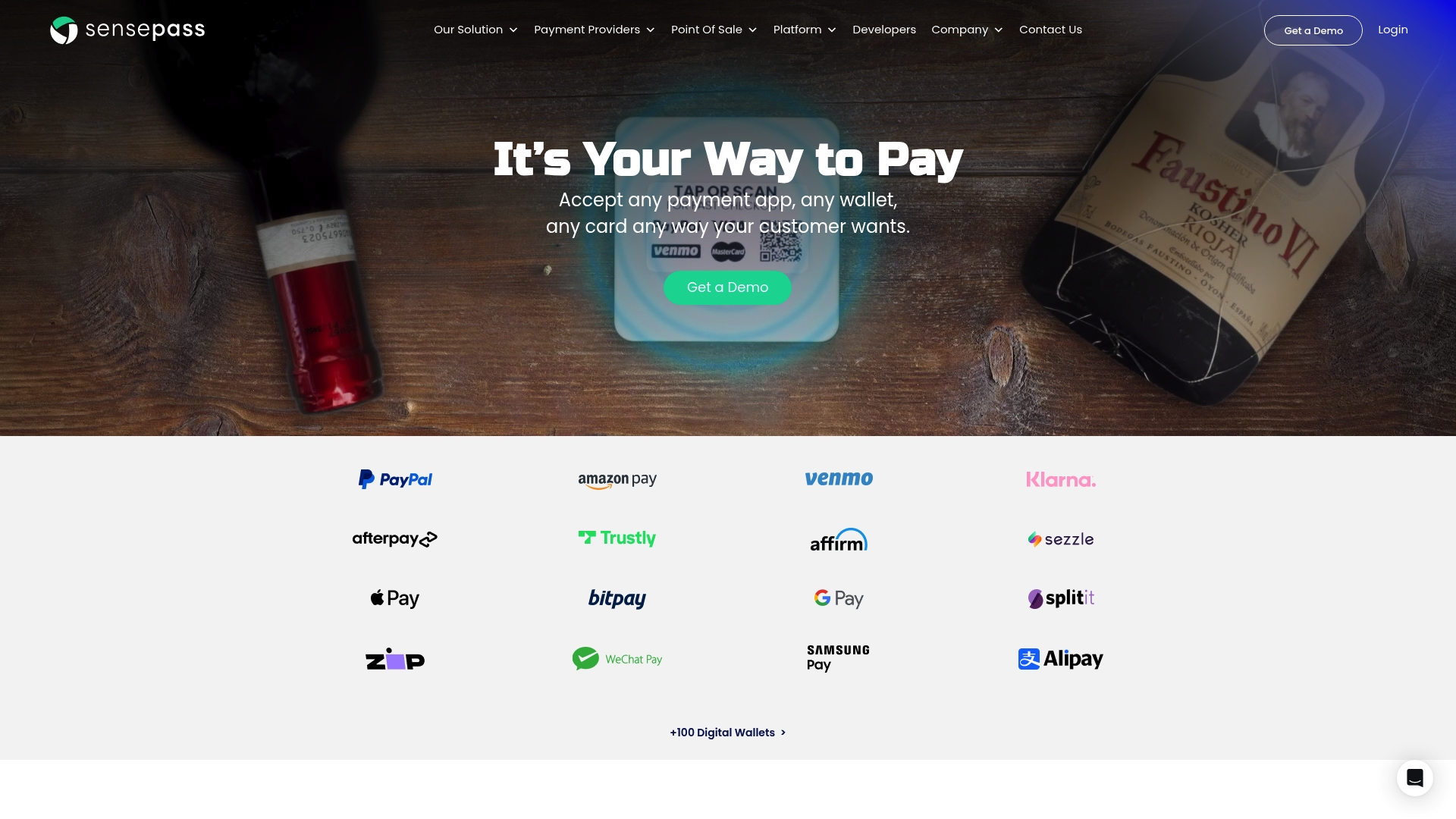
Explore how SensePass can elevate your payment strategy today. Visit SensePass to learn more about our omnichannel solutions and start offering your customers the payment freedom they expect.
Frequently Asked Questions
What are the top payment methods retailers should adopt in 2025?
Retailers should consider adopting digital wallets, Buy Now, Pay Later (BNPL) solutions, Pay by Bank, cryptocurrency payments, financing options, processor-agnostic platforms, and omnichannel platforms. Evaluate each method based on your customer needs and integration capabilities.
How can integrating digital wallets enhance my retail business?
Integrating digital wallets can speed up transaction processing and improve customer experience by reducing checkout friction. Start by auditing your current payment systems to identify areas for digital wallet integration within 30 days.
What are the benefits of offering Buy Now, Pay Later solutions?
Buy Now, Pay Later solutions can increase purchase conversion rates and attract a broader customer demographic by allowing flexible payment options. Train your staff to confidently explain these options to customers to enhance sales.
Why should I consider accepting cryptocurrency payments?
Accepting cryptocurrency can help attract tech-savvy consumers and reduce fees on international transactions. Begin by selecting a reliable crypto payment processor and educate your team about the unique aspects of cryptocurrency.
How do processor-agnostic platforms improve payment processing?
Processor-agnostic platforms enhance flexibility by allowing retailers to connect with multiple payment processors, reducing reliance on a single provider. Evaluate various platforms to find one that supports numerous payment methods and integrates with your existing systems effectively.
What is the significance of omnichannel platforms for retailers?
Omnichannel platforms provide a unified payment experience across various sales channels, improving customer satisfaction. Consider reviewing your current payment infrastructure to identify opportunities for integrating an omnichannel solution within the next 60 days.
Recommended
- Payment Methods in Retail – 7 Key Insight Retailers Must Know
- 7 Essential Mobile Payment Tips for Retailers to Succeed – Omnichannel payments at the Point Of Sale | Sensepass
- 7 Types of Retail Payment Methods for Your Business – Omnichannel payments at the Point Of Sale | Sensepass
- 7 Essential Mobile Payment Solutions List for Retailers – Omnichannel payments at the Point Of Sale | Sensepass

 New York Office
260 Madison Ave Suite 8018 New York NY 10016

