
7 Types of Online Payment Methods for Retail Success
January 13, 2026
Nearly 85% of American online shoppers choose credit or debit cards as their preferred payment method, making secure transaction options non-negotiable for retailers. Every retail manager knows that a seamless checkout experience can mean the difference between repeat customers and abandoned carts. This guide shows how the latest payment solutions can help you deliver convenience, keep costs in check, and meet evolving customer expectations in an increasingly competitive online marketplace.
Table of Contents
- Credit and Debit Card Payments for Online Stores
- Digital Wallets Like PayPal, Apple Pay, and Google Pay
- Buy Now Pay Later Solutions for Flexible Payments
- Pay by Bank Options for Direct Bank Transfers
- Crypto Payment Methods for Modern Customers
- Financing Solutions for Large Purchases
- Integrating Multiple Payment Types Seamlessly with SensePass
Quick Summary
| Takeaway | Explanation |
|---|---|
| 1. Understand Card Payment Systems | Knowing the intricacies of card transactions can help retailers optimize online sales. |
| 2. Explore Digital Wallet Benefits | Digital wallets streamline payments, enhancing security and convenience for consumers. |
| 3. Assess Buy Now Pay Later Advantages | BNPL offers flexible payment options without high-interest charges, appealing to younger audiences. |
| 4. Consider Pay by Bank Options | Direct bank payments can lower transaction fees and enhance security for merchants and consumers. |
| 5. Integrate Multiple Payment Methods | Using platforms like SensePass can unify various payment solutions, improving customer experience. |
1. Credit and Debit Card Payments for Online Stores
Credit and debit card payments remain the most popular method for online shopping transactions in North America, enabling seamless electronic purchases for millions of consumers. Understanding how these payment systems work is crucial for retailers seeking to optimize their online sales channels.
At the core of online card transactions is a complex electronic process involving multiple parties: the customer, the merchant, card networks like Visa and Mastercard, acquiring banks, and issuing banks. When a customer enters their card details, sophisticated electronic payment systems verify the transaction in seconds, checking card validity, available funds, and potential fraud risks.
Secure payment gateways employ advanced technologies to protect sensitive financial information. These systems use encryption protocols like Transport Layer Security (TLS) and require additional verification steps such as Card Verification Numbers (CVN) to prevent unauthorized transactions. Merchants must implement robust security measures to ensure customer trust and comply with payment industry standards.
The processing fees for card transactions typically range between 1.5% and 3.5% per transaction, varying based on card type, transaction volume, and industry sector. Retailers should carefully analyze their payment processing costs and negotiate rates with their financial service providers to minimize expenses while maintaining secure transaction capabilities.
Key Advantages of Card Payments:
- Widely accepted by consumers
- Quick transaction processing
- Strong fraud protection mechanisms
- Integrated with most online payment platforms
Potential Challenges:
- Processing fees can impact profit margins
- Complex compliance requirements
- Potential for chargebacks
- Ongoing need for security updates
Pro tip: Always choose a payment gateway that offers transparent pricing, robust fraud detection, and seamless integration with your existing eCommerce platform.
2. Digital Wallets Like PayPal, Apple Pay, and Google Pay
Digital wallets have revolutionized online and mobile payments, offering consumers a secure and convenient alternative to traditional payment methods. These electronic payment platforms allow users to store multiple payment methods securely on their smartphones or computers, enabling fast and frictionless transactions across various platforms.
Services like Apple Pay, Google Pay, and PayPal have transformed how consumers interact with financial transactions by implementing advanced security technologies. These platforms use sophisticated authentication methods including biometric verification like fingerprint and facial recognition, as well as complex encryption protocols to protect user financial information.
The primary advantages of digital wallets include rapid transaction processing, enhanced security features, and the ability to consolidate multiple payment methods into a single platform. Consumers can link credit cards, bank accounts, and even loyalty programs, streamlining their purchasing experience both online and in physical stores.
Key Benefits of Digital Wallets:
- Instant payment processing
- Enhanced security protocols
- Convenience across multiple platforms
- Reduced need to carry physical payment cards
- Integration with loyalty and rewards programs
Potential Limitations:
- Not universally accepted by all merchants
- Potential technology compatibility issues
- Learning curve for less tech savvy users
- Dependency on mobile device battery and internet connectivity
Pro tip: Always enable two factor authentication and regularly update your digital wallet app to maintain maximum security protection for your financial information.
3. Buy Now Pay Later Solutions for Flexible Payments
Buy Now Pay Later (BNPL) has emerged as a transformative payment solution that allows consumers to purchase products and spread their payments over time without traditional credit card interest. These innovative financing options have rapidly gained popularity, especially among younger consumers seeking more flexible purchasing alternatives.
The BNPL model typically works by dividing purchases into fixed installments with an initial down payment. Most providers offer four equal payments spread across six weeks, allowing customers to manage their cash flow more effectively without incurring substantial interest charges.
Popular BNPL providers like Klarna, Affirm, and Afterpay have revolutionized retail transactions by offering instant credit approval and seamless checkout experiences. These services appeal particularly to younger consumers who may have limited credit history or prefer more transparent payment structures compared to traditional credit cards.
Key Advantages of BNPL:
- Zero or low interest payments
- Instant credit approval
- Flexible spending options
- Minimal credit score requirements
- Improved purchasing power for consumers
Potential Considerations:
- Potential impact on credit scores
- Risk of overspending
- Varying approval criteria
- Limited merchant acceptance
- Potential late payment fees
Pro tip: Always review the complete payment terms and set personal reminders to ensure timely installment payments to avoid potential late fees or credit complications.
4. Pay by Bank Options for Direct Bank Transfers
Pay by Bank represents an innovative payment method that enables consumers to make direct transactions straight from their bank accounts without using traditional credit or debit cards. This emerging payment solution offers a streamlined and secure alternative for online and in-store purchases.
The payment method works by allowing direct authentication with bank credentials, providing a seamless and secure transaction process. Consumers can complete purchases by logging directly into their online banking platform, which verifies their identity and authorizes the transaction in real time.
Services like Trustly and LinkMoney have been pioneering this payment approach, offering merchants an opportunity to reduce transaction fees typically associated with card network processing. For consumers, Pay by Bank provides a direct, transparent payment method that minimizes intermediary steps and potential fraud risks.
Key Advantages of Pay by Bank:
- Lower transaction fees for merchants
- Enhanced security through direct bank authentication
- No requirement for credit cards
- Real time transaction verification
- Reduced potential for fraudulent activities
Potential Considerations:
- Limited merchant acceptance
- Requires active online banking setup
- Potential bank specific restrictions
- Less widespread compared to card payments
- Varying bank platform compatibility
Pro tip: Always verify your bank’s specific Pay by Bank capabilities and ensure your online banking credentials are current and secure before initiating transactions.
5. Crypto Payment Methods for Modern Customers
Cryptocurrency payment methods represent an innovative approach to financial transactions that enable businesses to accept digital assets as a form of payment. These emerging payment solutions leverage blockchain technology to provide secure, decentralized transactions that bypass traditional banking systems.
Companies like BitPay and Coinbase have developed sophisticated platforms that help businesses navigate complex cryptocurrency regulations. These services allow merchants to instantly convert cryptocurrency payments into traditional currency, reducing volatility risks and providing more predictable revenue streams.
Modern payment processors have made cryptocurrency integration more accessible for retailers by offering seamless checkout solutions that support multiple digital currencies. This approach enables businesses to attract tech savvy customers who prefer using Bitcoin, Ethereum, and other digital assets for their purchases.
Key Advantages of Crypto Payments:
- Lower transaction fees
- Global payment accessibility
- Enhanced transaction security
- Fast international transfers
- Reduced chargebacks
Potential Considerations:
- Price volatility risks
- Complex regulatory landscape
- Limited consumer understanding
- Technical integration challenges
- Potential tax reporting requirements
Pro tip: Choose a crypto payment processor that offers instant currency conversion and comprehensive compliance support to minimize financial risks and streamline your payment ecosystem.
6. Financing Solutions for Large Purchases
Financing solutions enable consumers and businesses to make substantial purchases by spreading costs over time through structured payment plans. These innovative financial tools provide flexibility and purchasing power beyond traditional upfront payment methods.
Modern financing options like Affirm and WeGetFinancing offer customized credit solutions for large purchases. These platforms assess creditworthiness quickly, providing instant approval and transparent terms that help customers understand their financial commitments before completing a transaction.
Retail sectors such as furniture, electronics, and home improvement have increasingly adopted specialized financing programs that allow customers to acquire high value items without immediate full payment. These solutions typically involve fixed monthly installments with competitive interest rates, making expensive purchases more accessible.
Key Advantages of Financing Solutions:
- Improved purchasing accessibility
- Flexible payment structures
- Transparent credit terms
- Quick approval processes
- Potential credit building opportunities
Potential Considerations:
- Interest rate variations
- Credit score impact
- Potential long term financial commitment
- Qualification requirements
- Potential prepayment penalties
Pro tip: Always calculate total financing costs and compare multiple providers to ensure you select the most favorable financing option that aligns with your budget and financial goals.
7. Integrating Multiple Payment Types Seamlessly with SensePass
Integrating multiple payment types is crucial for modern retailers seeking to provide a flexible and convenient shopping experience. SensePass offers a comprehensive solution that enables businesses to accept an extensive range of payment methods through a single, unified platform.
The platform supports advanced payment system interoperability across numerous digital and traditional payment channels. By connecting over 100 payment methods including digital wallets, cryptocurrency, BNPL options, and traditional credit cards, SensePass helps retailers expand their potential customer base and reduce friction during checkout.
Businesses can seamlessly integrate SensePass with major platforms like NetSuite, Shopify POS, Oracle Xstore, and Dynamics365, providing a flexible payment orchestration layer that works across online and offline sales channels. This approach allows merchants to offer customers unprecedented payment flexibility without complex technical implementations.
Key Integration Benefits:
- Support for 100+ payment methods
- Processor agnostic architecture
- Seamless omnichannel experience
- Quick implementation
- Reduced transaction costs
Potential Platform Capabilities:
- Digital wallet support
- Cryptocurrency acceptance
- BNPL integration
- International payment processing
- Real time transaction routing
Pro tip: Choose a payment integration platform that offers maximum flexibility and supports the widest range of payment methods to future proof your retail payment ecosystem.
Below is a comprehensive table summarizing the main payment methods discussed in the article and their respective features, advantages, and considerations.
| Payment Method | Features | Advantages | Considerations |
|---|---|---|---|
| Credit and Debit Cards | Most popular for online transactions; Utilizes secure gateways and encryption technologies. | Quick processing; Strong fraud protection; Widely accepted. | Processing fees; Compliance complexities; Chargeback potentials. |
| Digital Wallets | Includes PayPal, Apple Pay, Google Pay; Uses biometric authentication and encryption. | Instant payments; Enhanced security; Consolidation of payment methods. | Merchant acceptance limitations; Technology dependency; Learning curve for users. |
| Buy Now Pay Later (BNPL) | Provides installment payment options; Appeals to younger demographics. | Zero or low interest; Flexible spending; Instant approval. | Credit score impact; Merchant acceptance varies; Risk of overspending. |
| Pay by Bank | Direct bank transfers; Bypassing card usage. | Lower fees; Enhanced security; Real-time authentication. | Limited adoption; Bank compatibility issues; Active online banking required. |
| Cryptocurrency Payments | Uses blockchain technology; Accepts Bitcoin, Ethereum, etc. | Lower fees; Global accessibility; Security enhancements. | Volatility risks; Regulatory challenges; Consumer adoption hurdles. |
| Financing Solutions | Structured payment plans for high-value purchases; Customizable terms. | Flexible payments; Improved accessibility; Transparent credit terms. | Interest rates; Potential financial commitments; Qualification hurdles. |
| SensePass Integration | Unifies multiple payment methods into one platform; Compatible with major systems. | Support for 100+ methods; Omnichannel experience; Quick implementation. | Requires advanced platform integration; Dependent on merchant’s infrastructure. |
Unlock Retail Success with SensePass Omnichannel Payment Solutions
The article highlights the challenge retailers face in offering diverse and secure online payment methods like credit cards, digital wallets, BNPL, crypto payments, and direct bank transfers while keeping integration seamless and cost-effective. You want to reduce processing fees, prevent fraud, support flexible financing, and meet modern consumer preferences across multiple platforms without complicated setups or limited options.
SensePass is designed to solve exactly these pain points. It supports over 100 payment methods including popular digital wallets such as PayPal, Apple Pay, and Google Pay, BNPL options like Klarna and Afterpay, crypto payment providers like BitPay and Coinbase, financing solutions including Affirm, and Pay by Bank options like Trustly. Plus, SensePass integrates effortlessly with major retail POS and eCommerce systems including NetSuite, SuiteCommerce, Shopify POS, Oracle Xstore, NCR, and Dynamics365 to provide a truly seamless omnichannel payment experience. Its processor-agnostic platform lets you choose from 50 plus card processors for maximum flexibility.
By partnering with SensePass you can enhance your customers’ payment experience, reduce transaction costs, and future-proof your payment ecosystem with a single comprehensive solution. Discover how to expand your payment capabilities with ease today by visiting SensePass.com.
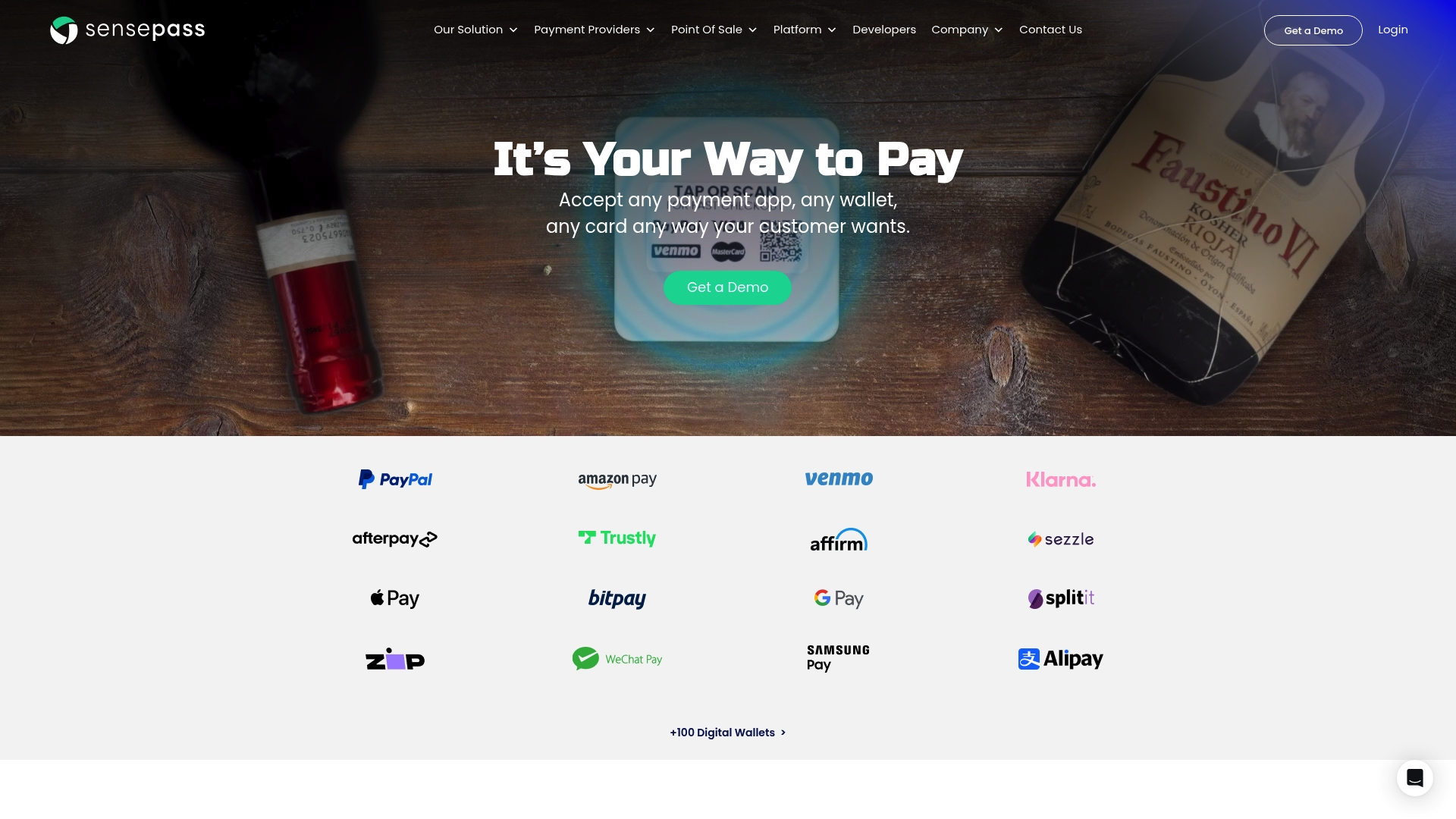
Ready to transform your retail payments and boost sales conversion rates now Explore the full range of supported payment methods and integration partners at SensePass and start offering your customers the payment flexibility they demand.
Frequently Asked Questions
What are the different types of online payment methods available for retailers?
Various online payment methods include credit and debit card payments, digital wallets, Buy Now Pay Later (BNPL) solutions, Pay by Bank options, cryptocurrency payments, and financing solutions. Consider adopting multiple methods to improve customer satisfaction and widen your market reach.
How can I integrate multiple payment methods into my retail system?
To integrate multiple payment methods, choose a comprehensive platform that supports various options like digital wallets, BNPL, and credit card payments. Implement a unified solution to streamline your checkout process, ultimately enhancing customer convenience and potentially increasing sales.
What are the security measures I should look for in online payment methods?
Look for payment methods that employ encryption protocols and advanced authentication methods, such as biometric verification and two-factor authentication. Prioritize secure payment gateways to safeguard customer information and build trust in your online transactions.
How do processing fees impact my online payment strategy?
Processing fees typically range from 1.5% to 3.5% per transaction and can significantly affect profit margins. Evaluate different payment processors and negotiate rates to minimize costs while maintaining secure payment capabilities.
What are the benefits of offering Buy Now Pay Later options?
Buy Now Pay Later options provide flexibility for customers by allowing them to make purchases and pay over time without high-interest charges. Consider integrating this payment option to attract younger consumers who appreciate transparent payment structures and improved spending power.
Why should I consider cryptocurrency payments for my retail business?
Cryptocurrency payments can reduce transaction fees and provide a secure, decentralized method for transactions. Start by researching suitable payment processors that support cryptocurrency to cater to tech-savvy customers and possibly expand your audience.
Recommended
- Payment Methods in Retail – 7 Key Insight Retailers Must Know
- Retail Payment Type: Everything You Need to Know – Omnichannel payments at the Point Of Sale | Sensepass
- 7 Essential Mobile Payment Tips for Retailers to Succeed – Omnichannel payments at the Point Of Sale | Sensepass
- 7 Types of Retail Payment Methods for Your Business – Omnichannel payments at the Point Of Sale | Sensepass

 New York Office
260 Madison Ave Suite 8018 New York NY 10016

