
Optimize Customer Payment Experience Workflow for Retail Success
February 5, 2026
Confusing payment experiences can frustrate customers and lead to abandoned sales, especially when integrating new digital options across multiple channels. For American retail technology managers, creating a seamless payment process is now a competitive requirement as shoppers expect convenience and flexibility in every transaction. By focusing on a strategic evaluation of your payment infrastructure, you can uncover integration opportunities that boost efficiency and help future-proof your business against changing consumer demands.
Table of Contents
- Step 1: Assess Payment Infrastructure And Integration Needs
- Step 2: Configure SensePass With Supported POS And ECommerce Platforms
- Step 3: Enable Broad Payment Methods And Processor Options
- Step 4: Streamline Omnichannel Payment Flows For Customers
- Step 5: Verify And Test Seamless Customer Payment Experience
Quick Summary
| Key Insight | Explanation |
|---|---|
| 1. Optimize Current Payment Infrastructure | Assess existing systems to identify gaps and improve workflow efficiency. |
| 2. Seamless SensePass Configuration | Integrate SensePass with POS and eCommerce to ensure smooth transactions. |
| 3. Enable Diverse Payment Methods | Expand available payment options to meet various customer preferences. |
| 4. Streamline Omnichannel Payment Flows | Create a cohesive payment experience across all digital and physical channels. |
| 5. Conduct Thorough Payment Testing | Implement extensive testing protocols to ensure a reliable transaction process. |
Step 1: Assess Payment Infrastructure and Integration Needs
Successfully optimizing your retail payment ecosystem begins with a comprehensive assessment of your current payment infrastructure and integration capabilities. Strategic evaluation will help you identify gaps, opportunities, and potential improvements in your payment workflow.
To conduct a thorough assessment, retailers should focus on several critical dimensions. This process involves analyzing multiple interconnected components:
- Current Payment Systems: Evaluate existing point-of-sale (POS) technologies and digital payment platforms
- Integration Capabilities: Review how smoothly different payment methods connect with your core systems
- Transaction Performance: Examine processing speeds, success rates, and potential bottlenecks
- Customer Experience: Assess the user-friendliness and seamlessness of payment journeys
When examining payment infrastructure, consider regional payment infrastructure integration strategies that support both domestic and cross-border transactions. The goal is creating a flexible system that reduces friction and supports multiple payment methods.
Specifically, retailers should map out their current payment ecosystem by documenting:
- Existing payment gateways and processors
- Supported payment methods
- Integration points across online and offline channels
- Transaction routing mechanisms
- Compliance and security protocols
Strategic payment infrastructure assessment is not about replacing everything, but optimizing what you have to create a more efficient, adaptable system.
SensePass Integration Considerations:
- Supports 50+ card processors
- Compatible with platforms like NetSuite, Shopify POS, Oracle Xstore
- Enables digital wallets (PayPal, Apple Pay)
- Supports Buy Now Pay Later options
- Processor-agnostic architecture
Pro tip: Schedule a comprehensive payment infrastructure audit annually to stay ahead of emerging technologies and changing consumer payment preferences.
Here is a summary of how SensePass enhances each step of payment integration:
| Step Focus | SensePass Role | Business Impact |
|---|---|---|
| Payment Infrastructure Assessment | Enables processor-agnostic setup | Increases flexibility and efficiency |
| Platform Configuration | Supports multiple POS/eCommerce | Simplifies system integration |
| Payment Method Enablement | Broad digital/BPNL support | Maximizes customer reach |
| Omnichannel Payment Flows | Seamless cross-channel sync | Delivers consistent experiences |
| Testing & Verification | Real-time simulation tools | Reduces payment errors |
Step 2: Configure SensePass with Supported POS and eCommerce Platforms
Configuring SensePass with your existing point-of-sale (POS) and eCommerce platforms transforms your payment infrastructure into a seamless, integrated ecosystem. Strategic configuration ensures smooth transactions across multiple sales channels and technology environments.
To successfully integrate SensePass, focus on unified POS device compatibility and platform-specific configuration requirements. This process involves mapping your current technology landscape and implementing strategic connection protocols:
- Platform Assessment: Identify all current POS and eCommerce systems
- Compatibility Verification: Check SensePass integration capabilities
- Connection Protocols: Establish secure data transmission methods
- Permission Configuration: Set up user access and transaction permissions
SensePass supports integration with multiple platforms, including:
- NetSuite
- SuiteCommerce
- Oracle Xstore
- Shopify POS
- BigCommerce
- Dynamics 365
Successful platform configuration is about creating a flexible, adaptive payment ecosystem that grows with your business.
Integration Steps:
- Review platform-specific API documentation
- Generate necessary authentication credentials
- Configure transaction routing rules
- Test integration in staging environment
- Validate transaction flows
SensePass Unique Features:
- Processor-agnostic architecture
- Supports 50+ payment processors
- Enables multiple payment methods
- Seamless digital wallet integrations
Pro tip: Always maintain a comprehensive backup of your existing system configuration before initiating any new payment platform integration.
Step 3: Enable Broad Payment Methods and Processor Options
Expanding your payment infrastructure requires a strategic approach to integrating diverse payment methods and processor options that meet modern consumer expectations. Comprehensive payment enablement allows your business to capture more sales opportunities and provide customers with flexible transaction choices.
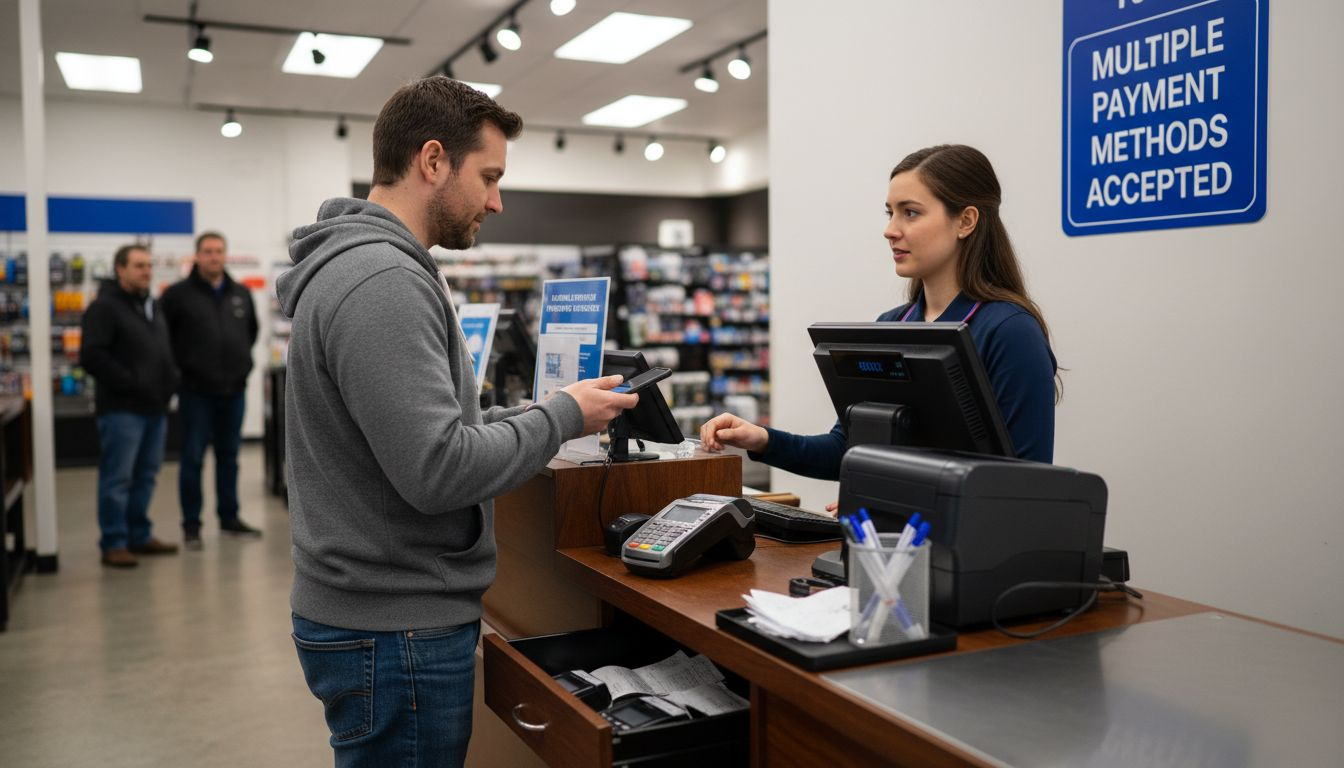
To successfully enable global payment systems, retailers must consider a multi-dimensional strategy that supports various payment preferences. SensePass offers an expansive range of payment method integrations across multiple categories:
Digital Wallet Options:
- PayPal
- Apple Pay
- Google Pay
- Amazon Pay
- Venmo
- Alipay
Buy Now Pay Later (BNPL) Methods:
- Klarna
- Sezzle
- ZIP
- Splitit
- Afterpay
Alternative Payment Channels:
- Cryptocurrency (BitPay, Coinbase)
- Bank Transfers (Trustly, LinkMoney)
- Financing Options (WeGetFinancing, Affirm)
Successful payment integration is about providing choices, not just processing transactions.
Implementation Considerations:
- Assess customer demographic preferences
- Evaluate transaction costs for each method
- Ensure robust security protocols
- Test integration thoroughly
- Monitor performance and adoption rates
SensePass Unique Capabilities:
- Processor-agnostic architecture
- Supports 50+ payment processors
- Seamless cross-platform integration
- Real-time transaction routing
Pro tip: Regularly survey your customers about their preferred payment methods to stay ahead of emerging transaction trends.
Step 4: Streamline Omnichannel Payment Flows for Customers
Creating a seamless payment experience across multiple retail channels requires strategic design and intelligent technology integration. Omnichannel payment optimization transforms customer transactions by removing friction and providing consistent payment experiences regardless of purchase platform.
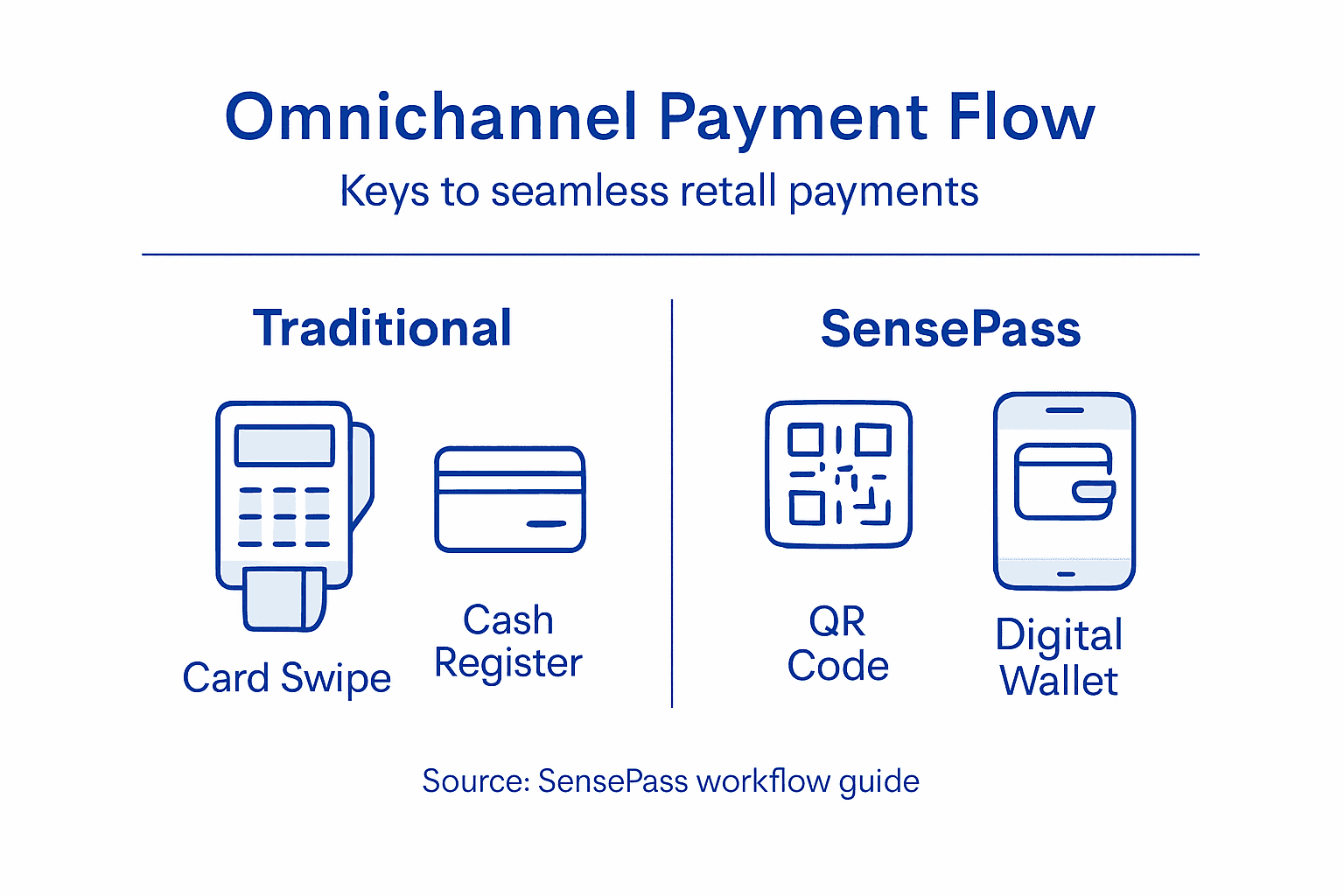
To effectively redesign distribution network payment flows, retailers must implement a comprehensive approach that connects digital and physical payment environments:
Key Omnichannel Payment Flow Components:
- Mobile point-of-sale transactions
- Online eCommerce checkout
- In-store payment systems
- Call center transaction processing
- Subscription and recurring billing
- Contactless payment options
- Cross-platform payment memory
SensePass Seamless Integration Features:
- Universal transaction tracking
- Real-time payment method synchronization
- Consistent customer experience across channels
- Adaptive payment routing
- Secure cross-platform data management
Successful omnichannel payment strategies create invisible technology that feels natural to customers.
Implementation Strategies:
- Map customer journey across all channels
- Identify potential transaction friction points
- Design unified payment experience
- Test integration thoroughly
- Monitor and optimize continuously
Customer Experience Priorities:
- Speed of transaction
- Payment method flexibility
- Security and trust
- Personalization
- Minimal cognitive load
Pro tip: Conduct regular customer feedback surveys to continuously refine your omnichannel payment experience and identify emerging preferences.
The table below compares traditional payment ecosystems with a modern SensePass-powered approach:
| Characteristic | Traditional Payments | SensePass Approach |
|---|---|---|
| Platform Compatibility | Limited, often siloed | Broad, unified integration |
| Payment Method Choice | Few options | Extensive, up-to-date |
| Cross-Channel Support | Fragmented experiences | Seamless, omnichannel |
| Upgrade Agility | Slow, hardware dependent | Fast, software driven |
| Security & Compliance | Varies, manual processes | Automated, adaptive |
Step 5: Verify and Test Seamless Customer Payment Experience
Ensuring a smooth, error-free payment process requires comprehensive testing and validation strategies that simulate real-world transaction scenarios. Payment experience verification helps identify potential friction points and guarantee a consistent, reliable customer journey across all transaction channels.
Retailers can leverage payments pre-validation technologies to minimize transaction errors and enhance overall payment reliability:
Comprehensive Testing Dimensions:
- Transaction success rates
- Payment method compatibility
- Cross-platform performance
- Security protocol effectiveness
- User experience consistency
Validation Testing Checklist:
- Simulate multiple payment scenarios
- Test different device types
- Validate transaction routing
- Check security protocols
- Verify user interface responsiveness
Effective payment testing is about creating invisible technology that works perfectly without customer awareness.
SensePass Testing Features:
- Real-time transaction simulation
- Multi-platform compatibility checks
- Automated error detection
- Comprehensive reporting tools
- Adaptive testing protocols
Key Performance Metrics:
- Transaction completion rate
- Average processing time
- Error reduction percentage
- Customer satisfaction score
- Security compliance rating
Pro tip: Implement continuous testing protocols that automatically monitor and validate payment experiences across all channels, ensuring consistent performance.
Enhance Your Retail Payment Experience With SensePass
Optimizing your customer payment workflow requires a flexible, seamless payment infrastructure that supports diverse platforms and meets evolving consumer demands. This article highlights critical challenges like integrating multiple POS systems, enabling a broad range of payment methods, and streamlining omnichannel payment flows to reduce friction and increase conversion rates. SensePass directly addresses these pain points by offering a processor-agnostic payment orchestration layer that integrates effortlessly with popular platforms including NetSuite, SuiteCommerce, Oracle Xstore, Aptos, Shopify POS, BigCommerce, Storis, NCR, Dynamics365, and more.
SensePass supports an extensive variety of payment options such as digital wallets like PayPal, Venmo, Apple Pay, and Google Pay, BNPL services like Klarna and Afterpay, financing solutions including WeGetFinancing and Affirm, crypto payments via BitPay and Coinbase, as well as pay-by-bank methods like Trustly and LinkMoney. This broad coverage ensures you meet your customers’ expectations for fast, contactless, and convenient payments across all channels.
Ready to transform your retail payment ecosystem and provide your customers with a flawless experience across every touchpoint?
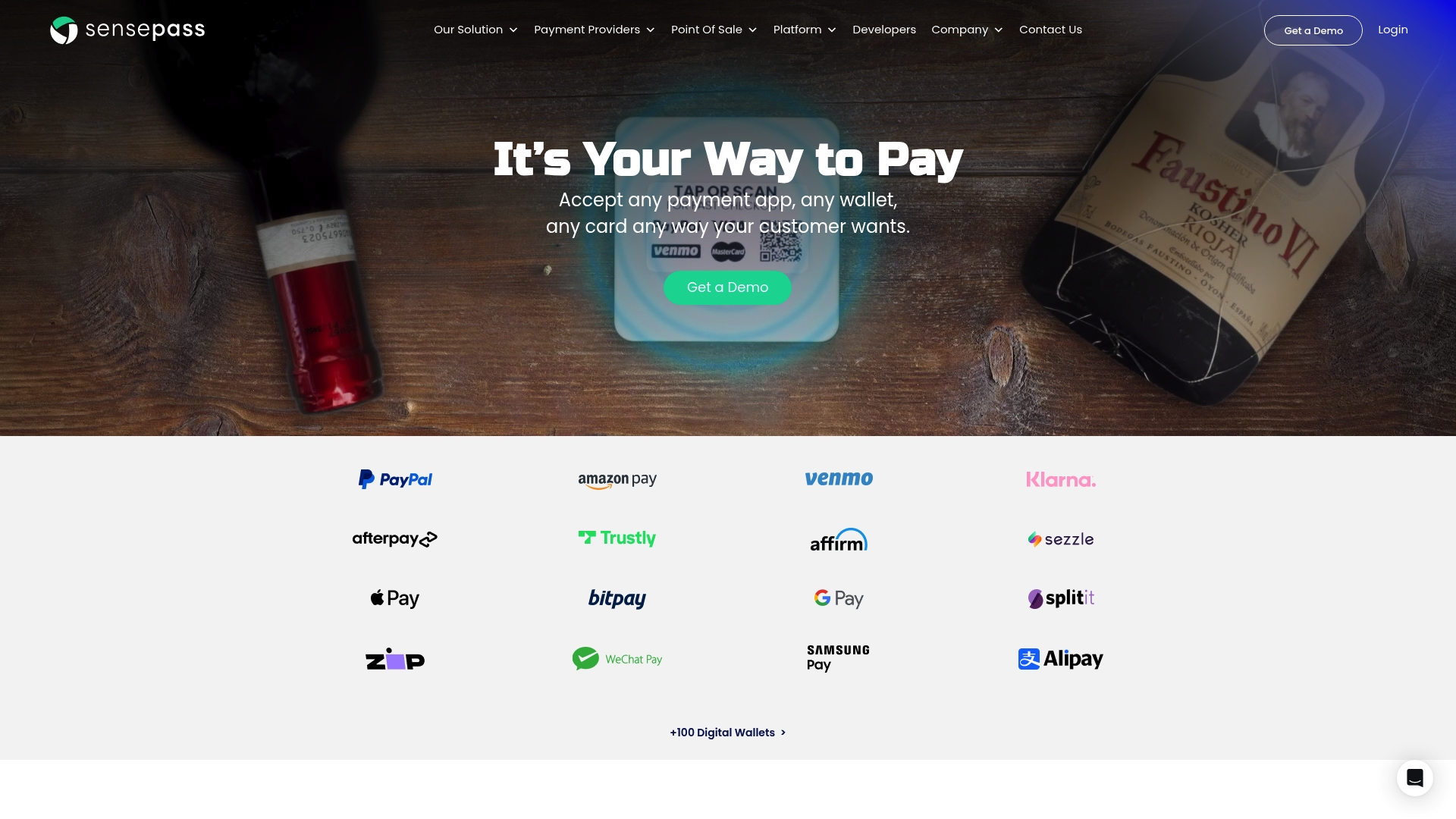
Discover how SensePass can simplify your payment integration and boost sales conversion by visiting SensePass today. Explore flexible solutions tailored for your POS systems and eCommerce platforms to deliver the payment experience your customers demand now.
Frequently Asked Questions
How can I assess my current customer payment experience workflow?
To assess your payment experience workflow, begin by evaluating existing payment systems, integration capabilities, and transaction performance. Document your current payment ecosystem, including gateways, supported methods, and user experiences to identify areas for improvement.
What steps should I take to integrate SensePass with my POS and eCommerce platforms?
To integrate SensePass, first assess your current platforms and verify compatibility. Then, establish secure data transmission methods and test the integration in a staging environment to ensure a seamless transaction experience across channels.
How can I enable a broad range of payment methods for customers?
To enable more payment methods, identify preferred payment options among your customer demographics and integrate them into your system. Consider options like digital wallets, Buy Now Pay Later solutions, and alternative payment channels to enhance customer flexibility.
What are the key components of optimizing omnichannel payment flows?
Key components include ensuring mobile point-of-sale support, online checkout integrity, and in-store transaction efficiency. Map the customer journey across all channels to identify friction points and design a unified payment experience that meets customer needs consistently.
How do I verify the efficiency of my payment experience?
To verify your payment experience, conduct thorough testing of transaction success rates, compatibility, and user experience consistency across channels. Utilize real-time simulations and validation checklists to enhance reliability and identify any potential issues before they affect customers.
Recommended
- Complete Guide to Retail Payment Workflow Process – Omnichannel payments at the Point Of Sale | Sensepass
- 7 Essential Customer Payment Experience Tips for Retailers – Omnichannel payments at the Point Of Sale | Sensepass
- Payments the new loyalty program | Sensepass
- Retail Payment Workflow Optimization for Seamless Omnichannel Sales – Omnichannel payments at the Point Of Sale | Sensepass

 New York Office
260 Madison Ave Suite 8018 New York NY 10016

