
How to Streamline Checkout with Omnichannel Payments
February 10, 2026
Checkout frustrations can quickly turn a potential sale into an abandoned cart, especially when payment steps feel complicated or limiting. For American retail operations managers, addressing these barriers is vital as both customer loyalty and profit hinge on reliable, flexible transactions. By focusing on identifying checkout pain points and integrating diverse payment methods, you can deliver smooth shopping experiences that keep shoppers returning—in store and online.
Table of Contents
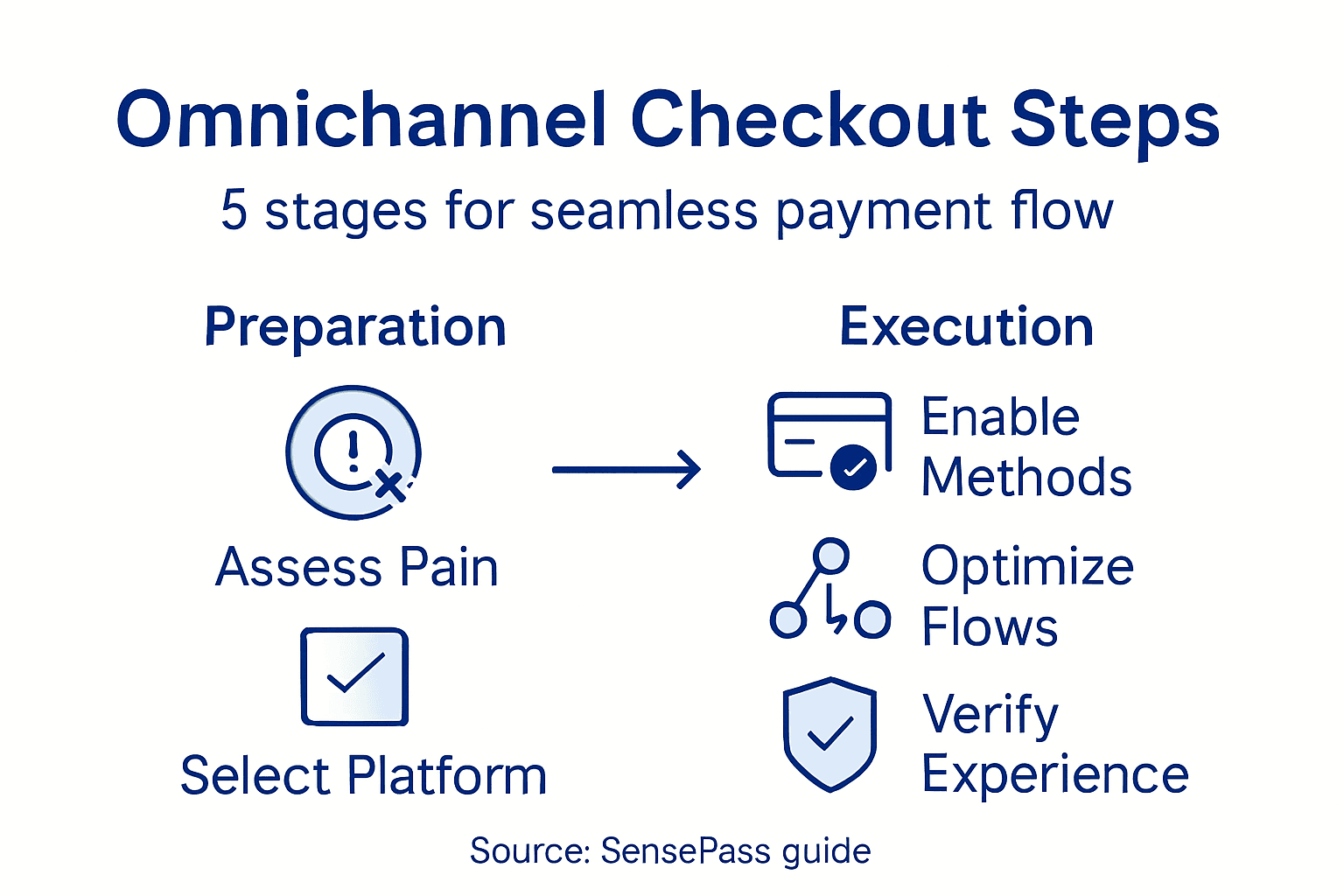
- Step 1: Assess Existing Checkout Pain Points
- Step 2: Select and Integrate SensePass Platform
- Step 3: Enable Multiple Payment Methods For Flexibility
- Step 4: Optimize Checkout Flows Across All Channels
- Step 5: Verify Seamless Payment Experience For Customers
Quick Summary
| Key Point | Explanation |
|---|---|
| 1. Identify checkout pain points | Regularly analyze customer feedback and transaction data to uncover friction areas during checkout. |
| 2. Integrate a flexible payment platform | Choose a payment solution, like SensePass, that supports multiple payment methods and is compatible with existing systems. |
| 3. Enable diverse payment options | Offer various payment methods such as digital wallets and BNPL services to cater to customer preferences and reduce abandonment rates. |
| 4. Optimize checkout across channels | Streamline the checkout process in both digital and physical environments to ensure consistency and reduce friction. |
| 5. Continuously verify payment reliability | Implement robust testing and monitoring to ensure a smooth payment experience, addressing potential disruptions promptly. |
Step 1: Assess existing checkout pain points
Identifying and understanding checkout pain points is crucial for developing a seamless omnichannel payment strategy. By systematically evaluating customer experience challenges, retailers can uncover obstacles that prevent smooth transactions and optimize their payment infrastructure.
To thoroughly assess checkout pain points, focus on several key investigation methods:
- Customer feedback analysis: Review support tickets, survey responses, and direct customer comments about their purchasing experiences
- Transaction data review: Examine checkout abandonment rates, time spent at checkout, and conversion metrics
- User journey mapping: Track customer interactions across different purchase channels to identify friction points
Understanding customer pain points in checkout processes involves recognizing specific barriers that disrupt smooth transactions. These challenges often emerge from complex workflows, insufficient support, unclear pricing, or excessive steps in the purchasing journey.
Specific areas to investigate include:
- Digital checkout complexity
- Payment method limitations
- Authentication and security processes
- Mobile transaction experience
- Cross-platform consistency
By meticulously documenting these pain points, businesses can develop targeted strategies to streamline their checkout experience and reduce customer frustration.
Here is a summary of common checkout pain points and their typical business impact:
| Pain Point | Source of Friction | Business Impact |
|---|---|---|
| Digital checkout complexity | Overly many steps | Increased cart abandonment |
| Payment method limitations | Few options for customers | Lower conversion rates |
| Security hurdles | Complicated authentication | Reduced trust, lost sales |
| Mobile experience issues | Poor phone interface | High mobile drop-off rate |
| Cross-platform inconsistency | Differing workflows by channel | Fragmented brand experience |
Effective checkout optimization requires a comprehensive understanding of customer interaction points and potential sources of friction.
Pro tip: Conduct regular customer interviews and usability testing to gain real-world insights into your checkout process challenges.
Step 2: Select and integrate SensePass platform
Selecting and integrating the right payment platform is critical for creating a seamless omnichannel payment experience. The goal is to choose a solution that offers flexibility, comprehensive payment options, and smooth integration across your existing systems.
When evaluating SensePass, focus on its innovative retail payments platform capabilities. The platform offers several key advantages for businesses looking to modernize their payment infrastructure:
- Comprehensive payment support: Access over 100 payment methods
- Cloud-based architecture: Enables flexible, scalable transaction processing
- Multiple channel integration: Supports digital and in-store transactions
Key integration steps include:
- Assess your current payment systems and technical infrastructure
- Review SensePass compatibility with your existing POS and eCommerce platforms
- Confirm support for required payment methods
- Schedule a technical consultation with SensePass implementation team
- Plan a phased rollout strategy
SensePass supports an extensive range of payment options, including digital wallets, buy now pay later (BNPL) services, open banking solutions, and cryptocurrency transactions. This flexibility allows businesses to accommodate diverse customer payment preferences.
Successful payment platform integration requires a strategic approach that balances technical capabilities with business objectives.
Pro tip: Request a comprehensive system compatibility assessment and migration support to ensure smooth implementation of your new payment infrastructure.
Step 3: Enable multiple payment methods for flexibility
Enabling multiple payment methods is crucial for creating a flexible and customer-friendly checkout experience. By offering diverse payment options, businesses can accommodate different customer preferences and reduce potential friction during transactions.
Understanding modern payment system strategies helps retailers create a comprehensive payment approach. The goal is to integrate a variety of payment methods that cater to different customer needs and technological preferences:
- Digital wallets: Apple Pay, Google Pay, PayPal
- Credit and debit cards: Visa, Mastercard, American Express
- Buy now pay later: Klarna, Afterpay, Affirm
- Cryptocurrency: Bitcoin, Ethereum
- Bank transfers: ACH, Wire transfers
Key considerations when expanding payment methods include:
- Evaluate customer demographic preferences
- Analyze transaction costs for each payment method
- Ensure robust security protocols
- Test integration compatibility
- Monitor customer adoption rates
SensePass supports an extensive range of payment technologies, allowing businesses to create a flexible, inclusive payment ecosystem. This approach not only improves customer satisfaction but also reduces checkout abandonment rates by providing convenient transaction options.
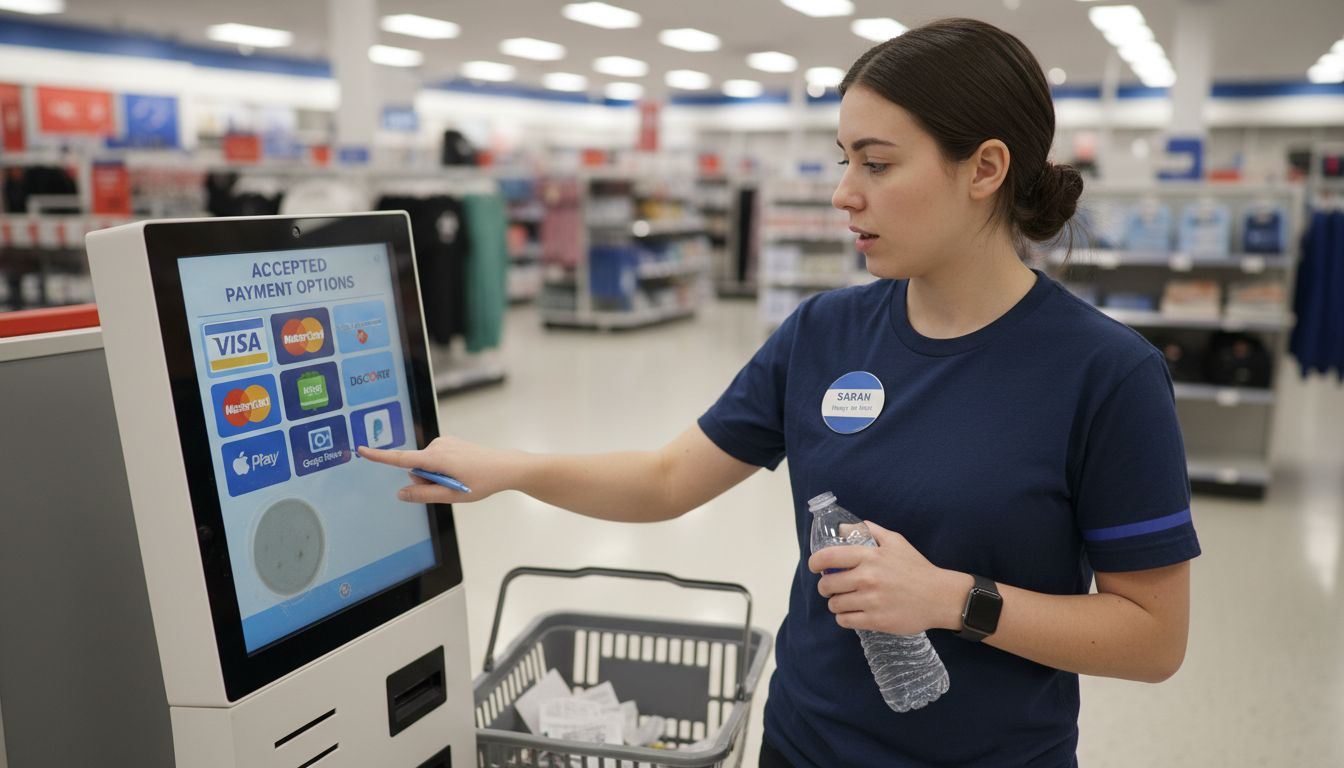
The table below highlights how supporting multiple payment methods benefits both businesses and customers:
| Payment Method Types | Customer Benefit | Business Value |
|---|---|---|
| Digital wallets | Fast, easy to use | Attracts mobile-first shoppers |
| Credit and debit | Widely accepted | Higher trust, larger transaction sizes |
| BNPL services | Flexible payments | Boosts purchase frequency |
| Cryptocurrency | Privacy and innovation | Appeals to tech-savvy customers |
| Bank transfers | Direct, secure | Lower processing fees |
Successful payment integration requires a strategic balance between variety, security, and user experience.
Pro tip: Regularly survey your customers to understand emerging payment preferences and continuously update your payment method offerings.
Step 4: Optimize checkout flows across all channels
Streamlining checkout processes across digital and physical channels requires a strategic approach that reduces friction and enhances customer experience. The goal is to create a seamless, intuitive transaction flow that works consistently regardless of how customers choose to interact with your business.
By leveraging process intelligence for workflow optimization, retailers can map and improve checkout experiences across multiple platforms. This approach involves understanding and eliminating potential bottlenecks in the customer journey:
- Digital channel optimization: Simplify online checkout steps
- In-store transaction management: Reduce point-of-sale complexity
- Mobile payment integration: Enable quick, secure transactions
- Cross-platform consistency: Maintain uniform experience
- Backend system alignment: Ensure smooth data transfer
Key optimization strategies include:
- Analyze current checkout process across all channels
- Identify friction points and unnecessary steps
- Implement standardized authentication methods
- Create consistent user interface design
- Integrate real-time data synchronization
SensePass provides a comprehensive solution that enables businesses to create a unified checkout experience, supporting seamless transactions across mobile, online, and in-store platforms. This approach significantly reduces customer frustration and increases conversion rates.
Effective omnichannel checkout optimization requires a holistic view of customer interaction points and continuous process refinement.
Pro tip: Conduct regular user testing across different channels to identify and quickly address emerging checkout friction points.
Step 5: Verify seamless payment experience for customers
Ensuring a smooth, reliable payment experience requires comprehensive testing and continuous monitoring of your checkout processes across all customer interaction points. The goal is to create a frictionless transaction environment that works consistently and meets customer expectations.
Implementing robust payment system reliability involves developing strategies that address potential disruptions and maintain uninterrupted service:
- Connectivity failsafe mechanisms: Enable offline transaction capabilities
- Multi-channel transaction testing: Validate performance across platforms
- Error handling protocols: Create smooth recovery procedures
- Performance monitoring: Track real-time transaction metrics
- User experience validation: Collect continuous customer feedback
Key verification steps include:
- Simulate various network and system scenarios
- Test transaction processes under different conditions
- Validate cross-platform authentication methods
- Review transaction success and abandonment rates
- Conduct periodic user experience surveys
SensePass provides comprehensive tools to help businesses maintain consistent, reliable payment experiences across digital and physical channels. By proactively identifying and addressing potential friction points, retailers can significantly improve customer satisfaction and conversion rates.
A truly seamless payment experience requires continuous refinement and a commitment to understanding customer interaction dynamics.
Pro tip: Implement automated monitoring systems that provide real-time alerts about potential checkout process interruptions or performance degradations.
Transform Your Checkout Experience with SensePass Omnichannel Payments
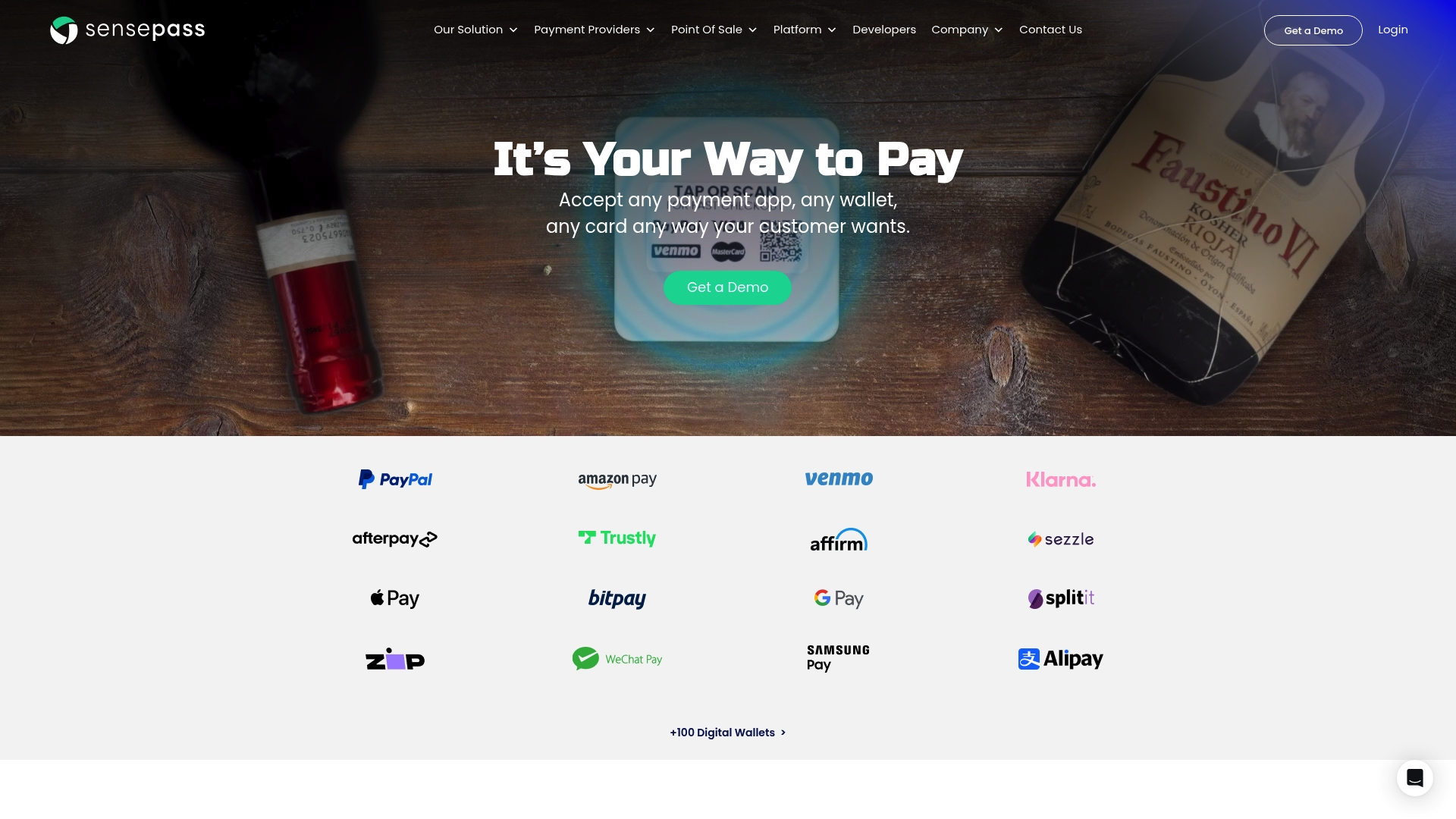
The article highlights how complex checkout flows, limited payment options, and inconsistent cross-platform experiences create friction that leads to lost sales and frustrated customers. Businesses seeking to streamline omnichannel payment processes can overcome these challenges by leveraging a flexible and powerful payment platform. SensePass offers seamless integration with leading POS systems and eCommerce platforms like NetSuite, Shopify POS, Oracle Xstore, Dynamics365, and more. Its extensive support for digital wallets such as PayPal, Apple Pay, Venmo, and Google Pay, BNPL options like Klarna and Afterpay, plus crypto payments via BitPay and Coinbase, ensures your customers enjoy the payment freedom they demand.
Ready to reduce checkout friction and increase your sales conversion rates today? Discover how SensePass lets you create a unified payment ecosystem that works effortlessly across mobile, in-store, and online channels while offering your customers over 50 card processor options for maximum flexibility in payment processing. Visit SensePass now to learn how to empower your retail business with a truly seamless omnichannel checkout solution.
Frequently Asked Questions
How can I identify checkout pain points in my payment process?
Identifying checkout pain points involves analyzing customer feedback, transaction data, and user interactions. Start by reviewing support tickets and survey responses to pinpoint specific obstacles, then examine abandonment rates and time spent at checkout to understand where customers are struggling.
What steps should I take to integrate the SensePass platform into my existing payment system?
To integrate the SensePass platform, assess your current payment infrastructure and review its compatibility with existing systems. Plan a phased rollout, and consult with the SensePass implementation team to ensure a smooth transition within your technical framework.
How can I expand payment methods to enhance customer experience?
Expanding payment methods can be achieved by evaluating customer preferences and integrating options like digital wallets, buy now pay later services, and bank transfers. Regularly survey your customers to identify emerging payment trends and ensure that at least three new methods are introduced every six months.
What strategies can I use to optimize checkout flows across multiple channels?
To optimize checkout flows, analyze your existing processes, identify friction points, and implement streamlined user interface designs. Aim to standardize authentication methods across channels and synchronize backend systems for a uniform experience within 30–60 days.
How do I verify that my payment experience is seamless for customers?
To verify a seamless payment experience, conduct multi-channel transaction testing and monitor real-time metrics. Simulate various scenarios and gather customer feedback to identify any disruptions, ensuring that your checkout process runs smoothly at all times.
Recommended
- Complete Guide to Omnichannel Payments for Retailers – Omnichannel payments at the Point Of Sale | Sensepass
- What Is Omnichannel Payment? Complete Guide for Retailers – Omnichannel payments at the Point Of Sale | Sensepass
- What Is Omnichannel Commerce? Complete Overview – Omnichannel payments at the Point Of Sale | Sensepass
- What Is Omnichannel Retail? Complete Guide for 2025 – Omnichannel payments at the Point Of Sale | Sensepass

 New York Office
260 Madison Ave Suite 8018 New York NY 10016

