
7 Top Mobile Payment Solutions List for Retailers
October 22, 2025
Did you know that more than 2.5 billion people are expected to use mobile payment apps by 2025? Payment preferences are shifting fast, and shoppers expect to pay wherever and however they want. For retailers, adopting solutions that link online and in-person sales has become a must. Exploring these payment technologies unlocks new ways to exceed customer expectations while strengthening your business for the digital future.
Table of Contents
- Understanding Mobile Payment Solutions And Omnichannel Growth
- SensePass: All-In-One Payment Orchestration For Every POS
- Integrating Digital Wallets For Seamless Customer Checkout
- Utilizing Buy Now Pay Later And Financing In Retail
- Accepting Crypto And Bank Payments For Modern Shoppers
- Benefits Of Processor-Agnostic Payment Gateways
- Choosing The Right Mobile Payment Solution For Your Business
Quick Summary
| Takeaway | Explanation |
|---|---|
| 1. Mobile payments are essential for competitive retailers. | To meet evolving consumer expectations, retailers must implement mobile payment solutions that offer speed, convenience, and security. |
| 2. Integrate diverse payment options for flexibility. | Utilizing various payment methods like BNPL and digital wallets can enhance customer satisfaction and reduce abandonment rates. |
| 3. Choose processor-agnostic payment gateways. | These solutions allow retailers to connect with multiple payment providers, improving transaction success rates and lowering fees. |
| 4. Digital wallets streamline the checkout process. | Implementing digital wallets can significantly reduce transaction times, increase accuracy, and enhance customer experiences across channels. |
| 5. Future-proof with a comprehensive payment strategy. | A holistic approach to payment systems considers customer preferences, integrates technologies, and prepares businesses for market changes. |
1. Understanding Mobile Payment Solutions and Omnichannel Growth
Mobile payment solutions are transforming how retailers conduct transactions by enabling seamless digital payments across multiple channels. Omnichannel payment technologies represent a strategic approach that unifies purchasing experiences whether customers shop online, in store, or through mobile apps.
Consider this remarkable trend: By 2025, over 2.5 billion people worldwide will use mobile payment apps, with digital payment transaction volumes expected to reach an astonishing $13.91 trillion. This massive shift signals a critical moment for retailers to embrace flexible payment infrastructures that meet evolving consumer expectations.
The core strength of mobile payment solutions lies in their ability to provide convenience, speed, and security. Modern consumers demand frictionless transactions that can happen anywhere at any time. These technologies enable retailers to:
- Accept multiple payment methods simultaneously
- Consolidate transaction data into single dashboards
- Reduce processing times and operational complexities
- Enhance customer satisfaction through smooth payment experiences
For retailers looking to stay competitive, adopting an integrated omnichannel payments guide becomes not just an option but a strategic necessity. By understanding and implementing sophisticated mobile payment solutions, businesses can future proof their sales strategies and meet the rapidly changing digital commerce landscape.
Successful implementation means thinking beyond traditional payment processing. It requires a holistic approach that considers customer preferences, technological capabilities, and seamless integration across all sales channels. The retailers who master this approach will position themselves at the forefront of the digital commerce revolution.
2. SensePass: All-in-One Payment Orchestration for Every POS
In the rapidly evolving world of retail payments, businesses need a flexible solution that can adapt to multiple payment scenarios. SensePass emerges as a comprehensive payment orchestration platform that transforms how retailers manage transactions across different sales channels.
The platform stands out by offering a hardware-agnostic payment gateway that integrates seamlessly with existing POS systems. This means retailers can upgrade their payment infrastructure without replacing expensive hardware or disrupting current operational workflows. By supporting over 100 digital wallets and credit card processors, SensePass provides unprecedented flexibility for modern businesses.
Payment method diversity is at the core of SensePass’s value proposition. The platform supports an impressive array of payment options:
- Digital Wallets: Apple Pay, Google Pay, PayPal, Venmo
- Buy Now Pay Later: Klarna, Sezzle, Afterpay
- Cryptocurrency Payments: BitPay, Coinbase
- Traditional Credit Card Processing
Retailers gain significant advantages by implementing a payment orchestration platform like SensePass. The ability to accept multiple payment methods simultaneously reduces friction in the customer journey and opens new revenue streams. Moreover, the platform consolidates transaction data into a single dashboard, simplifying financial management and providing real-time insights into sales performance.
For businesses looking to future-proof their payment infrastructure, SensePass represents more than just a transaction tool. It is a strategic solution that adapts to changing consumer preferences, supports multiple sales channels, and provides the technological flexibility needed in today’s dynamic retail environment.
3. Integrating Digital Wallets for Seamless Customer Checkout
Digital wallets have revolutionized the way consumers make purchases, transforming traditional payment experiences into fast, secure, and incredibly convenient transactions. Modern retailers must adapt to these digital payment preferences to remain competitive and meet evolving customer expectations.
The power of digital wallet integration lies in its ability to simplify the checkout process across multiple sales channels. Platforms like Apple Pay, Google Pay, PayPal, and Venmo represent more than just payment methods they are gateways to a smoother, more intuitive shopping experience. By implementing digital wallet technologies that boost retail sales, businesses can significantly enhance customer satisfaction and potentially increase conversion rates.
Successful digital wallet integration involves several key strategies:
- Ensure compatibility with multiple payment platforms
- Implement seamless POS system connections
- Provide clear instructions for customers
- Train staff on new payment technologies
- Maintain robust security protocols
Operational benefits extend beyond customer convenience. Digital wallets reduce transaction times, minimize manual entry errors, and provide robust data tracking capabilities. For retailers, this means faster checkouts, reduced staff workload, and more accurate financial reporting.
By embracing digital wallet technologies, businesses signal to customers that they are forward thinking and customer centric. The goal is not just to accept payments but to create a frictionless, modern shopping experience that meets the expectations of tech savvy consumers.
4. Utilizing Buy Now Pay Later and Financing in Retail
Buy Now Pay Later (BNPL) represents a transformative payment strategy that empowers retailers to offer customers unprecedented financial flexibility. Modern consumers seek alternative payment methods that break free from traditional credit card constraints and provide more manageable purchasing options.
By integrating BNPL services, retailers unlock significant strategic advantages. These flexible financing options can dramatically increase sales volume and average order value by reducing upfront financial barriers. Imagine a customer interested in a premium product but hesitant about immediate full payment. BNPL transforms that hesitation into a confident purchase by offering structured payment plans.
Key benefits of implementing BNPL include:
- Increased customer purchasing power
- Reduced cart abandonment rates
- Attracting younger demographic segments
- Providing zero or low interest payment options
- Enhancing overall customer shopping experience
Retailers can strategically explore in-store BNPL services to create more inclusive shopping environments. Platforms like Affirm now offer customized payment plans with APRs starting at 0% for eligible purchases, making high value items more accessible to a broader customer base.
Successful BNPL integration requires careful partner selection and seamless technological implementation. Retailers should prioritize solutions that offer transparent terms, quick approval processes, and minimal friction during checkout. The goal is not just to offer financing but to create a smooth, empowering purchasing journey that builds long term customer loyalty.
5. Accepting Crypto and Bank Payments for Modern Shoppers
The future of retail payments is diverse and digital. Modern shoppers demand flexibility beyond traditional credit card transactions, seeking innovative payment methods that offer convenience, security, and global accessibility.
Cryptocurrency and direct bank payment integrations represent a strategic opportunity for retailers to attract tech savvy consumers and expand their market reach. By embracing these alternative payment technologies, businesses signal their commitment to meeting evolving customer preferences and staying ahead of technological trends.
Key advantages of expanding payment options include:
- Attracting younger demographic segments
- Reducing transaction fees
- Providing global payment capabilities
- Enhancing customer trust and transparency
- Positioning your business as innovative
Retailers can explore emerging payment methods like cryptocurrency and bank transfer platforms to create more inclusive shopping experiences. Platforms such as BitPay and Trustly enable businesses to accept payments directly from digital wallets and bank accounts, eliminating intermediary processing fees and simplifying transaction workflows.
Successful implementation requires careful partner selection and robust technological infrastructure. Retailers should prioritize payment solutions that offer seamless integration, strong security protocols, and immediate transaction verification. The goal is not just to accept alternative payments but to create a frictionless purchasing experience that builds long term customer loyalty and positions your business at the forefront of retail innovation.
6. Benefits of Processor-Agnostic Payment Gateways
Payment gateway flexibility represents the future of retail transaction processing. Processor-agnostic solutions empower businesses to transcend traditional payment infrastructure limitations, offering unprecedented control and adaptability in managing financial transactions.
A processor-agnostic approach allows retailers to connect with multiple payment service providers without being locked into single vendor ecosystems. This strategy provides remarkable operational advantages by enabling businesses to dynamically route transactions, optimize processing costs, and minimize declined payment risks.
Key strategic benefits include:
- Complete payment processor selection freedom
- Reduced transaction processing fees
- Enhanced global payment capabilities
- Improved transaction success rates
- Simplified cross border payment management
- Increased technological scalability
Retailers can explore comprehensive payment gateway features to understand how processor-agnostic platforms transform financial operations. By integrating multiple payment channels, businesses create robust infrastructures that adapt quickly to changing market demands and consumer preferences.
Successful implementation requires thoughtful technology selection and strategic partner evaluation. The ultimate goal is building a payment ecosystem that provides maximum flexibility, minimizes operational friction, and delivers seamless transaction experiences for customers across different platforms and geographic regions.
7. Choosing the Right Mobile Payment Solution for Your Business
Selecting the ideal mobile payment solution requires strategic thinking beyond simple transaction processing. Modern businesses need flexible payment platforms that integrate seamlessly with existing technological ecosystems and support diverse customer preferences.
The right payment solution transforms your business infrastructure by providing comprehensive transaction management capabilities. It goes beyond processing payments to become a strategic tool for operational efficiency, customer experience enhancement, and financial optimization.
Critical factors to consider include:
- Compatibility with existing ERP systems
- Support for multiple payment methods
- Seamless integration capabilities
- Robust security protocols
- Scalability and future readiness
- Cost effectiveness of transaction processing
Retailers can explore mobile payment best practices to make informed technological investments. Solutions like SensePass demonstrate how advanced payment orchestration platforms can integrate with leading enterprise systems such as Microsoft Dynamics 365, NetSuite, SAP, Oracle, and Salesforce Commerce.
Successful implementation means viewing your payment infrastructure as a dynamic strategic asset. The goal is not just accepting payments but creating a frictionless financial ecosystem that adapts to changing consumer behaviors, reduces operational complexity, and positions your business at the forefront of digital commerce innovation.
Below is a comprehensive table summarizing the main concepts, solutions, and strategies discussed in the article about mobile payment solutions and their impact on retail.
| Topic | Description | Benefits/Outcomes |
|---|---|---|
| Mobile Payment Solutions | Transform transaction methods with digital payments across various channels. | Enhanced convenience, speed, security. |
| Omnichannel Payment Tech | Unify purchasing across online, in-store, and mobile apps. | Meet evolving consumer expectations. |
| SensePass Platform | Hardware-agnostic payment orchestration supporting over 100 payment methods. | Flexibility, simplified financial management. |
| Digital Wallet Integration | Enables seamless customer checkout with platforms like Apple Pay, Google Pay. | Faster checkouts, reduced errors, increased satisfaction. |
| Buy Now Pay Later (BNPL) | Offers flexible payment options breaking traditional credit card limitations. | Increased sales volume, reduced cart abandonment. |
| Crypto & Bank Payments | Attracts tech savvy consumers by integrating emerging payment methods. | Global reach, reduced fees. |
| Processor-Agnostic Gateways | Connect to multiple payment service providers, optimizing transaction processes. | Cost savings, improved success rates. |
| Choosing Payment Solutions | Focus on integration, support for multiple methods, and security. | Operational efficiency, improved customer experience. |
Upgrade Your Retail Payment Experience with SensePass
Are you struggling to keep up with rapidly changing mobile payment trends or losing sales because your current system cannot handle diverse payment preferences? The article highlighted the growing pressure on retailers to deliver seamless, omnichannel payment experiences with support for the latest wallets, BNPL solutions, crypto, and direct bank transfers. Meeting these expectations might feel overwhelming if your current POS or eCommerce platform lacks flexibility or is hard to integrate. SensePass removes these obstacles.
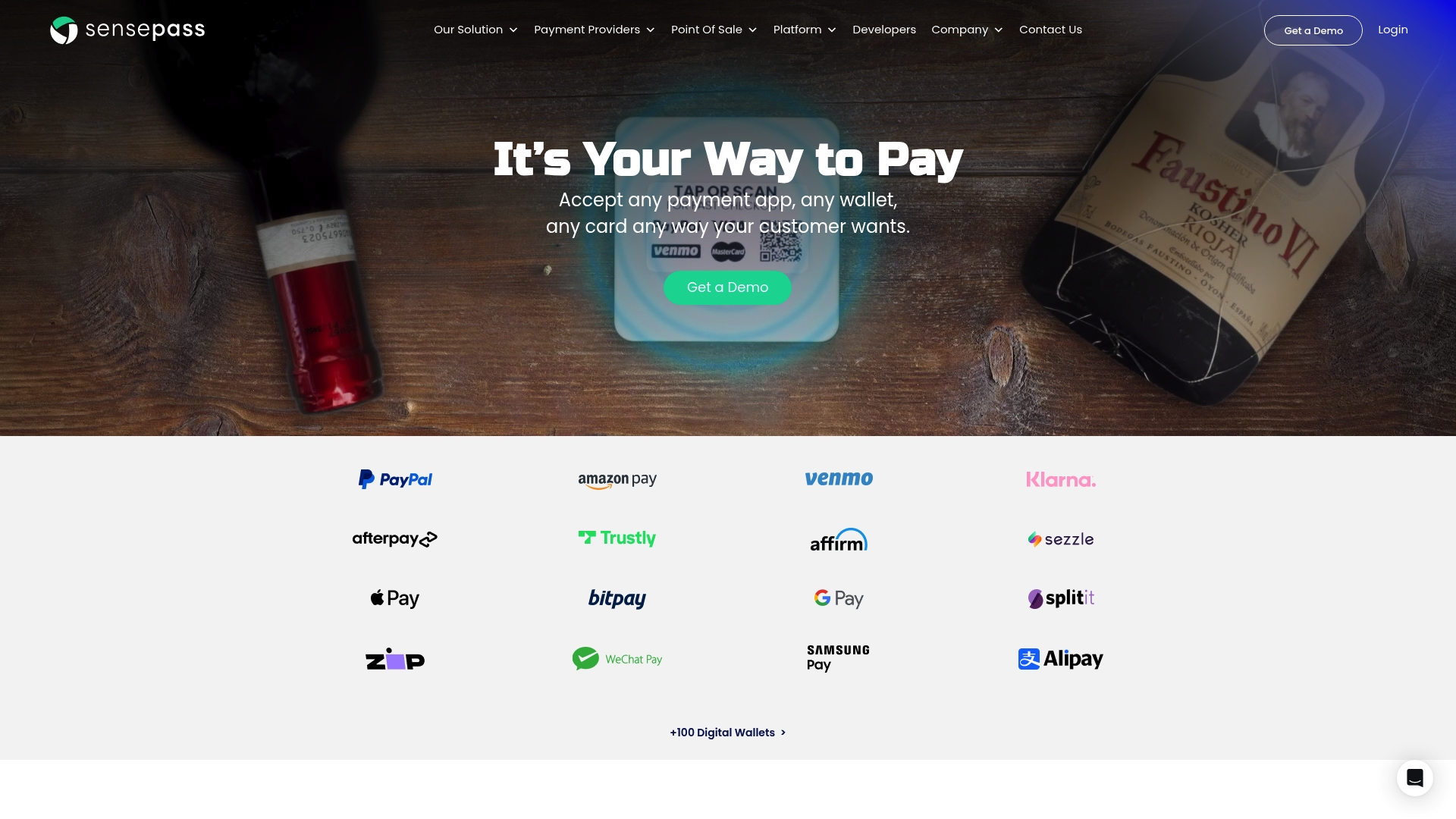
SensePass is built from the ground up to support innovative retailers like you. Our platform integrates seamlessly with popular systems like NetSuite, SuiteCommerce, Oracle Xstore, Aptos, Shopify POS, BigCommerce, Storis, NCR, Dynamics365 and more. With SensePass, you offer payment freedom at every checkout—whether it is PayPal, Venmo, WeChat, Apple Pay, Google Pay, Klarna, Affirm, BitPay, Trustly, or 50+ card processors. Your business stays processor-agnostic and future-ready across in-store, online, self-checkout, and more. Ready to see how retailers simplify operations and boost sales with the most versatile omnichannel payment solution? Visit SensePass.com now and explore what seamless integration looks like for your business.
Frequently Asked Questions
What are the benefits of using mobile payment solutions for retailers?
Mobile payment solutions offer convenience, speed, and security, enhancing the overall customer purchasing experience. To fully leverage these benefits, retailers should implement multiple payment methods and consolidate transaction data into a single management dashboard.
How can I choose the right mobile payment solution for my retail business?
Selecting the right mobile payment solution involves considering factors like compatibility with existing systems, payment method support, and security protocols. Analyze your specific operational needs and prioritize solutions that can seamlessly integrate and adapt to your business requirements.
How can mobile payment solutions help reduce cart abandonment?
By providing faster and more convenient checkout options, mobile payment solutions can significantly decrease cart abandonment rates. Focus on integrating user-friendly payment options that allow quick transactions, potentially reducing abandonment rates by up to 30%.
What strategies can retailers use to implement digital wallet technologies?
Retailers can implement digital wallet technologies by ensuring compatibility with various payment platforms and training staff to assist customers with new payment methods. Start by providing clear instructions during checkout to ease the transition for customers.
How long does it typically take to integrate a mobile payment solution?
The time required to integrate a mobile payment solution can vary but generally takes about 30–60 days, depending on the complexity of your existing systems. To expedite the process, identify your technical requirements and work closely with your IT team throughout the integration.
What factors contribute to a seamless omnichannel payment experience?
A seamless omnichannel payment experience is achieved through consistent payment processing across all channels, real-time data access, and responsive customer support. Focus on choosing a payment solution that supports integration with both online and in-store transactions to enhance customer satisfaction.
Recommended

 New York Office
260 Madison Ave Suite 8018 New York NY 10016

