
Payment Gateway vs Processor: Complete Breakdown
December 3, 2025
More than 80 percent of american shoppers expect digital payments to work flawlessly across every device and platform. Digital transactions now form the backbone of retail and e-commerce in the United States, putting heavy pressure on businesses to master the differences between payment gateways and payment processors. Knowing how these systems interact can help merchants avoid costly errors, strengthen security, and deliver the fast, seamless experiences customers demand.
Table of Contents
- Defining Payment Gateways And Payment Processors
- Key Functions In The Retail Payment Flow
- Types Of Gateways And Processors Explained
- Costs, Risks, And Security Considerations
- Choosing The Right Solution For Omnichannel Commerce
Key Takeaways
| Point | Details |
|---|---|
| Understanding Roles | Payment gateways secure customer payment information while payment processors manage backend transaction processes. |
| Payment Flow | The sequence from customer purchase initiation to payment authorization is rapid and involves both gateways and processors. |
| Types of Solutions | Payment technologies vary from hosted to non-hosted gateways, impacting customer experience and security. |
| Cost and Security | Businesses must balance transaction costs and ongoing security measures, ensuring compliance and fraud prevention. |
Defining Payment Gateways and Payment Processors
In the digital payment ecosystem, payment gateways and payment processors play distinct yet interconnected roles that enable smooth online and offline financial transactions. Payment gateway technology represents the critical front-end interface that securely captures and encrypts customer payment information, serving as the initial checkpoint in the transaction workflow.
Payment gateways function like digital security checkpoints, collecting sensitive credit card or digital wallet details and transmitting them through encrypted channels. According to research from the U.S. Chamber of Commerce, these systems capture and encrypt transaction data, acting as the critical customer-facing interface. Payment processors, by contrast, handle the comprehensive backend infrastructure, managing transaction authorization, fund settlement, and communication between multiple financial entities like merchants, issuing banks, and acquiring banks.
The relationship between payment gateways and processors is symbiotic and sequential. When a customer initiates a transaction, the payment gateway first secures and forwards transaction details to the payment processor. The processor then routes this information through complex financial networks, verifying account details, checking fund availability, and ultimately facilitating the actual money transfer. This intricate dance ensures that merchants receive payments securely and customers experience seamless, rapid transaction completions across various payment methods and platforms.
Key Functions in the Retail Payment Flow
The retail payment flow represents a complex sequence of digital interactions that transform a customer’s purchasing intent into a completed financial transaction. Retail payment workflows involve multiple critical stages that ensure secure, efficient money transfers across different platforms and payment methods.

According to research from the U.S. Chamber of Commerce, payment gateways perform several essential functions within this flow. These include capturing transaction data, conducting fraud detection checks, and securely encrypting sensitive payment information before transmission. Payment processors then take over, managing the intricate backend processes of transaction authorization, routing financial instructions between banks, and ultimately facilitating fund settlements.
The payment flow typically unfolds through a precise sequence of steps. When a customer initiates a purchase, the payment gateway first collects and validates payment details, performing real-time security screenings. Next, the payment processor routes transaction information through complex financial networks, verifying account validity, checking fund availability, and coordinating between the merchant’s bank and the customer’s issuing bank. This orchestrated process happens within seconds, enabling merchants to receive funds quickly while providing customers with a seamless, secure purchasing experience across multiple payment channels and platforms.
Types of Gateways and Processors Explained
Payment technologies have evolved to offer diverse solutions that cater to different business needs and transaction environments. Types of payment gateways range from simple integrations to complex, customizable systems that can transform how businesses handle financial transactions.

According to Business.com, payment gateways can be primarily categorized into two fundamental types: hosted and non-hosted gateways. Hosted gateways redirect customers to a third-party payment page to complete transactions, which provides an additional layer of security but can potentially disrupt the user experience. Non-hosted gateways, conversely, allow customers to complete payments directly on the merchant’s website, creating a more seamless and integrated purchasing process.
Payment processors also demonstrate significant variation in their capabilities and integration methods. Some specialize in specific payment channels like credit cards, while others offer comprehensive solutions that support multiple payment methods including digital wallets, bank transfers, and emerging technologies like cryptocurrency. The key differentiator lies in their technical infrastructure, transaction routing capabilities, and the breadth of financial networks they can effectively navigate. Advanced processors now provide real-time fraud detection, multi-currency support, and sophisticated reporting tools that give businesses granular insights into their financial transactions.
Costs, Risks, and Security Considerations
Every digital payment system carries inherent financial and security complexities that businesses must carefully navigate. Understanding payment security features becomes critical in selecting the right payment infrastructure that protects both merchant and customer interests.
According to the U.S. Chamber of Commerce, merchants face multiple financial considerations when implementing payment technologies. Transaction fees, setup expenses, and compliance costs represent significant factors in evaluating payment solutions. Businesses must budget not just for immediate implementation expenses, but also for ongoing security maintenance, fraud prevention tools, and potential chargeback liabilities.
Security protocols form the backbone of reliable payment systems. Advanced payment technologies now incorporate sophisticated fraud detection mechanisms, including machine learning algorithms that identify suspicious transaction patterns in real time. PCI compliance remains a critical standard, requiring rigorous encryption protocols, secure data transmission, and comprehensive risk management strategies. Merchants must implement multi-layered security approaches that protect sensitive financial information while maintaining smooth, frictionless transaction experiences for customers. This delicate balance between robust security and user convenience represents the most challenging aspect of modern payment ecosystem design.
Choosing the Right Solution for Omnichannel Commerce
Selecting an optimal payment solution requires strategic evaluation of a business’s unique technological ecosystem and customer interaction points. Omnichannel payment strategies demand flexible technologies that seamlessly connect multiple sales channels and transaction environments.
According to Business.com, successful omnichannel commerce hinges on selecting payment solutions that support multiple payment methods and integrate smoothly across diverse sales platforms. Businesses must prioritize payment technologies that can effortlessly transition between digital storefronts, mobile applications, in-store point-of-sale systems, and emerging transaction channels like social media commerce and voice-activated purchasing.
The ideal omnichannel payment solution should demonstrate remarkable adaptability. Key considerations include comprehensive payment method support, real-time transaction synchronization, robust security protocols, and the ability to provide consistent customer experiences across different interaction points. Advanced systems now offer intelligent routing capabilities that can dynamically select the most efficient payment pathway, minimize transaction costs, and provide merchants with granular insights into customer purchasing behaviors. Ultimately, the right solution transforms complex payment infrastructure from a technical necessity into a strategic competitive advantage.
Unlock Seamless Omnichannel Payments with SensePass
Navigating the complexities of payment gateways and processors can feel overwhelming for any retailer. This article highlights how critical it is to secure sensitive transaction data, reduce processing costs, and enable smooth customer experiences across channels. SensePass addresses these exact challenges by offering a flexible, processor-agnostic platform that integrates effortlessly with leading POS systems and eCommerce platforms like NetSuite, Shopify POS, Oracle Xstore, and Dynamics365. Supporting a broad spectrum of payment methods including digital wallets such as PayPal and Apple Pay, BNPL options like Klarna and Afterpay, crypto payments, and more, SensePass empowers your business to meet modern consumer demands without compromise.
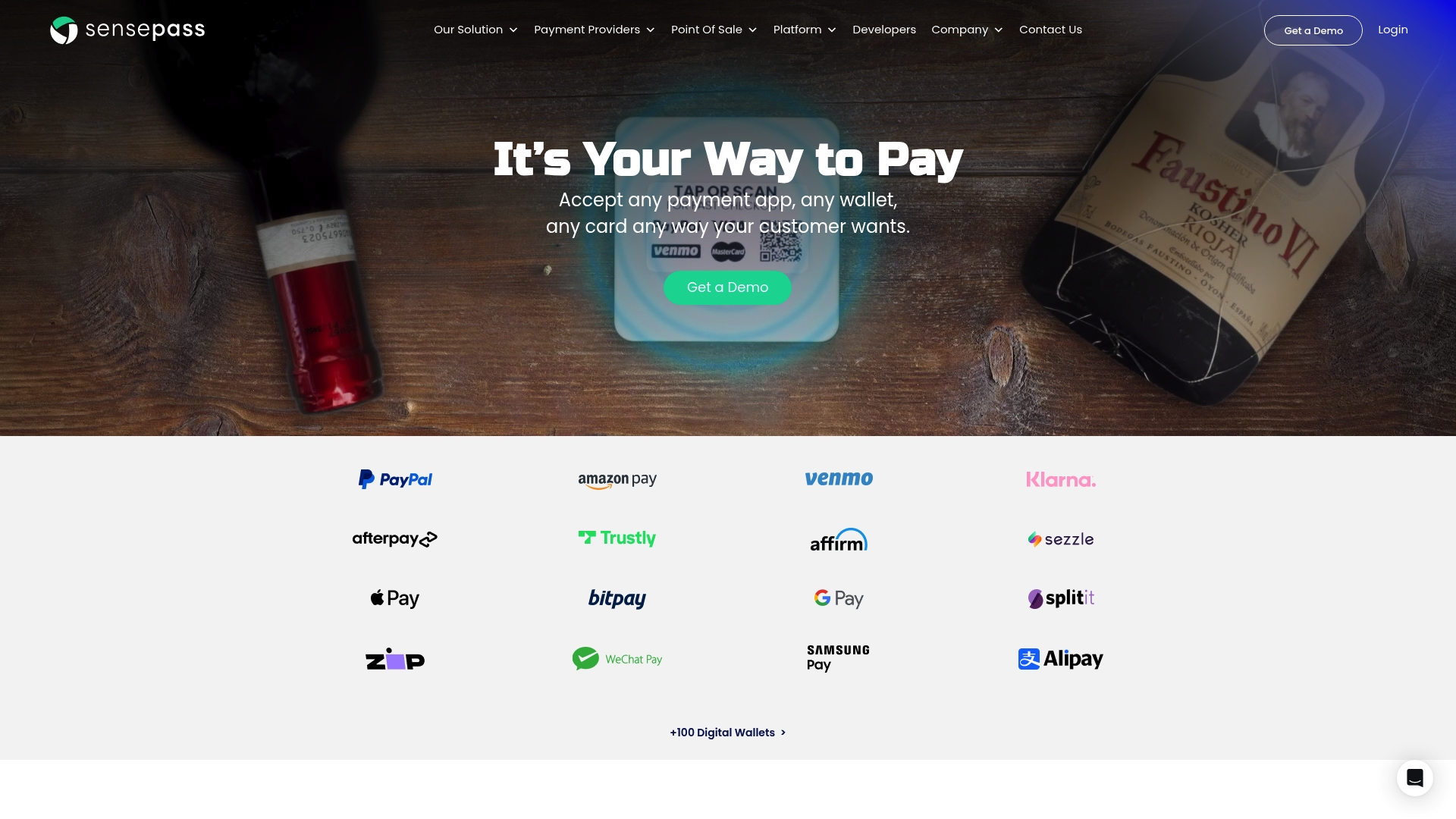
Boost your sales conversion rates and streamline your payment infrastructure today. Explore how SensePass’s omnichannel payment solutions can transform your business and create a unified checkout experience both online and offline. Get started now at SensePass.com and discover the future of retail payments with unmatched flexibility and security. Learn more about omnichannel payment strategies and why being processor-agnostic matters for your growth.
Frequently Asked Questions
What is the main difference between a payment gateway and a payment processor?
A payment gateway is the technology that captures and encrypts customer payment information during a transaction, while a payment processor manages the backend infrastructure, authorizing and settling the funds between financial institutions.
How do payment gateways ensure transaction security?
Payment gateways secure transactions by collecting and encrypting sensitive payment details, utilizing advanced fraud detection protocols, and ensuring compliance with PCI standards to protect against data breaches.
What types of payment gateways are available?
Payment gateways can be categorized into hosted and non-hosted types. Hosted gateways redirect customers to a third-party site for payment, while non-hosted gateways allow payments to be processed directly on the merchant’s website.
What should businesses consider when choosing a payment solution for omnichannel commerce?
Businesses should prioritize payment solutions that support multiple payment methods, offer real-time transaction synchronization, ensure robust security protocols, and provide a seamless customer experience across various sales channels.
Recommended

 New York Office
260 Madison Ave Suite 8018 New York NY 10016

