
Secure Payment Methods Tutorial for Omnichannel Retail
December 11, 2025
Most American retailers know that over 80 percent of shoppers expect multiple payment options at checkout. Meeting these expectations requires more than just adding credit card support. The payment ecosystem has become a complex web of platforms, methods, and security concerns. This guide will help you navigate the process, revealing practical ways to evaluate and implement seamless, secure payment solutions that keep every transaction smooth for both you and your customers.
Table of Contents
- Stage 1: Assess Supported Payment Platforms And Methods
- Stage 2: Integrate Secure Payment Solutions With POS And ECommerce
- Stage 3: Configure Digital Wallets, BNPL, And Crypto Payments
- Stage 4: Enable Processor-Agnostic Payment Routing
- Stage 5: Test And Validate Secure Transaction Flows
Quick Summary
| Key Insight | Detailed Explanation |
|---|---|
| 1. Assess Payment Platforms | Evaluate digital payment platforms for transaction speed, security, and integration capabilities. Identify critical payment methods like digital wallets and Buy Now Pay Later services. |
| 2. Integrate Payment Solutions | Connect point of sale and eCommerce systems to provide a seamless customer experience, ensuring robust security and support for multiple payment methods. |
| 3. Focus on Processor-Agnostic Routing | Enable dynamic transaction routing to various payment processors, optimizing costs and enhancing transaction success rates for better business flexibility. |
| 4. Conduct Thorough Testing | Validate transaction flows by simulating different scenarios and evaluating performance metrics, focusing on security protocols and user experience. |
| 5. Select Comprehensive Platforms | Choose payment platforms that support multiple transaction types and methods, ensuring your payment infrastructure can adapt to evolving consumer preferences. |
Stage 1: Assess Supported Payment Platforms and Methods
Building a robust payment strategy requires understanding the diverse landscape of digital payment platforms and methods. By systematically evaluating supported payment technologies, retailers can create seamless transaction experiences that meet modern consumer expectations.
To effectively assess payment platforms and methods, start by mapping out your current transaction ecosystem. Modern payment platforms demonstrate significant complexity with multiple interaction points across digital and physical channels. Focus on identifying key requirements such as transaction speed, security protocols, integration capabilities, and customer preferences. Retailers should examine platforms that support a comprehensive range of payment methods including digital wallets like PayPal and Apple Pay, Buy Now Pay Later services such as Klarna, financing options like Affirm, cryptocurrency payments via BitPay, and bank transfer methods.
A strategic assessment involves analyzing platform compatibility with your existing point of sale systems. Consumer spending behaviors are directly influenced by payment method choices, so selecting a platform that offers flexibility is crucial. Look for solutions like SensePass that integrate seamlessly with major platforms NetSuite, Shopify POS, Oracle Xstore, and Dynamics365. The goal is creating a unified payment experience that reduces friction and supports multiple transaction types across online and offline channels.
Pro Tip: When evaluating payment platforms, prioritize those offering processor agnostic capabilities. This approach provides maximum flexibility by allowing merchants to choose from 50 plus card processors without being locked into a single provider.
Stage 2: Integrate Secure Payment Solutions with POS and eCommerce
Successfully integrating secure payment solutions requires a strategic approach that connects your point of sale and eCommerce platforms into a unified transaction ecosystem. This step transforms fragmented payment processes into a seamless customer experience.
Retailers face significant challenges when connecting POS and eCommerce systems, but modern solutions provide powerful integration capabilities. The key is selecting a payment platform that supports multiple transaction channels while maintaining robust security protocols. Look for solutions that offer comprehensive integration with major platforms like NetSuite, Shopify, Oracle Xstore, and Dynamics365. Effective integration streamlines inventory management and enhances overall customer experiences, allowing real time synchronization of sales data across digital and physical touchpoints.
When implementing your integration strategy, prioritize platforms with comprehensive security features. Ensure the solution supports multiple payment methods including digital wallets, Buy Now Pay Later services, and cryptocurrency options. A processor agnostic platform like SensePass provides maximum flexibility, enabling you to choose from 50 plus card processors without being locked into a single provider. This approach allows you to adapt your payment infrastructure as your business evolves and customer preferences change.
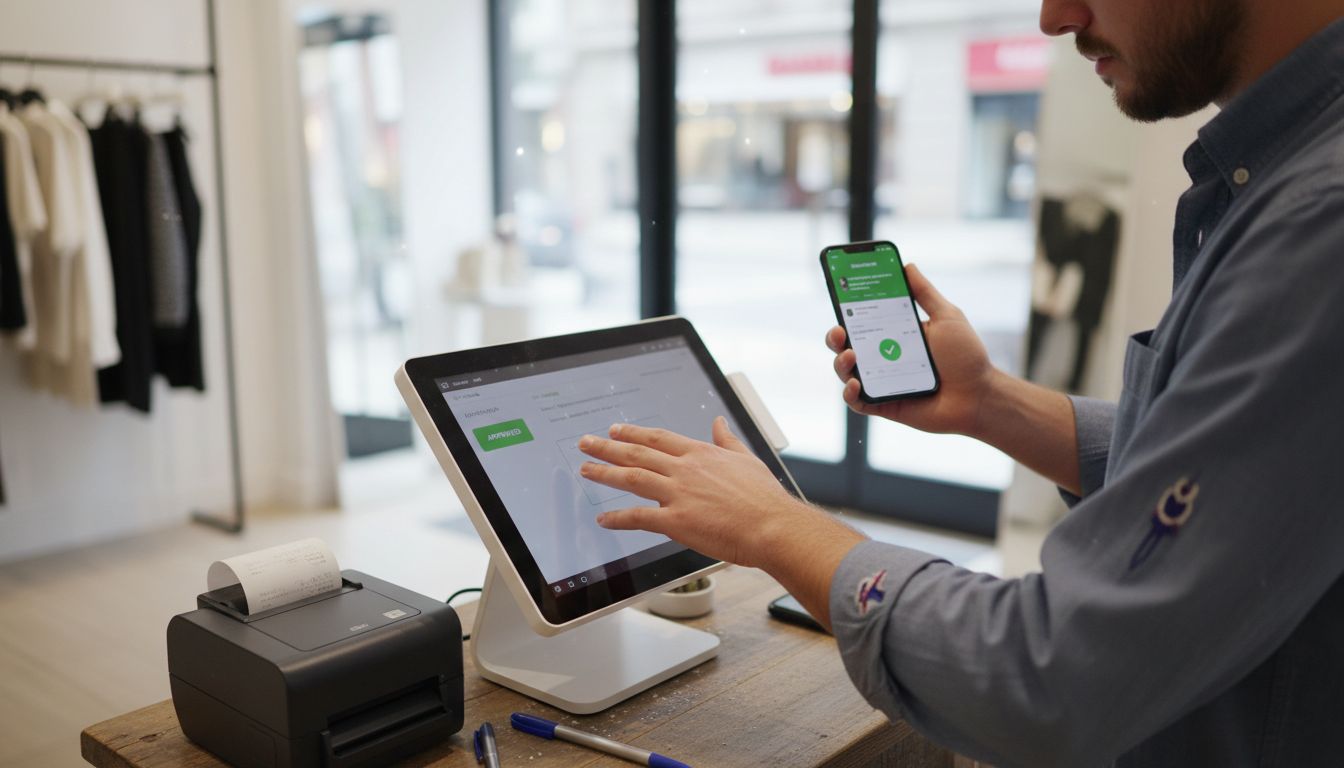
Pro Tip: Validate your payment integration by conducting thorough testing across multiple devices and transaction scenarios. Simulate different payment methods and verify that transaction data flows seamlessly between your POS and eCommerce systems.
Stage 3: Configure Digital Wallets, BNPL, and Crypto Payments
Configuring advanced payment methods requires a strategic approach that integrates multiple digital payment technologies into your existing transaction infrastructure. This step empowers your business to offer customers flexible and modern payment options that meet evolving consumer preferences.
Scalable payment protocols are transforming how businesses handle digital transactions, particularly in cryptocurrency and alternative payment methods. When configuring your payment ecosystem, focus on integrating digital wallets like Apple Pay and Google Pay, Buy Now Pay Later services such as Klarna and Afterpay, and emerging payment technologies like cryptocurrency. Configuring alternative payment methods requires careful selection of platforms that support multiple transaction types, ensuring seamless integration across your point of sale and eCommerce channels.

Start by selecting a payment platform that provides comprehensive support for diverse payment methods. Look for solutions like SensePass that offer processor agnostic capabilities, allowing you to integrate digital wallets, BNPL services, and cryptocurrency payments without being locked into a single provider. This approach provides maximum flexibility and allows you to adapt your payment infrastructure as consumer preferences and technology evolve. Prioritize platforms that offer robust security features and can handle multiple transaction types across different channels.
Pro Tip: When implementing alternative payment methods, conduct thorough testing to ensure smooth transaction processing. Verify that each payment method functions correctly across different devices and transaction scenarios to provide a consistent customer experience.
Stage 4: Enable Processor-Agnostic Payment Routing
Processor-agnostic payment routing represents a powerful strategy for retailers seeking maximum flexibility and control over their payment infrastructure. This approach allows businesses to optimize transaction processing and reduce overall payment processing costs.
Advanced payment protocols now enable flexible transaction routing across multiple processors, transforming how businesses manage digital payments. The core principle of processor-agnostic routing involves creating a dynamic payment ecosystem where transactions can be intelligently directed to the most appropriate payment processor based on factors like transaction cost, speed, and reliability. Understanding the nuanced differences between payment gateways and processors is critical for implementing an effective routing strategy.
To successfully enable processor-agnostic payment routing, select a platform that provides comprehensive integration capabilities and supports multiple payment processors. Solutions like SensePass offer the flexibility to route transactions across 50 plus card processors, allowing you to optimize transaction costs and performance. This approach provides unprecedented control over your payment infrastructure, enabling you to adapt quickly to changing market conditions and consumer payment preferences. By implementing a processor-agnostic strategy, you can reduce processing fees, improve transaction success rates, and create a more resilient payment ecosystem.
Pro Tip: When implementing processor-agnostic routing, conduct thorough performance testing to establish baseline metrics for transaction speed, success rates, and processing costs across different processors.
Stage 5: Test and Validate Secure Transaction Flows
Testing and validating secure transaction flows is a critical process that ensures your payment infrastructure delivers reliable and seamless experiences across all transaction types. This step involves comprehensive verification of your payment system’s performance and security under various scenarios.
Consumer interactions within modern payment platforms reveal complex transaction dynamics that require rigorous testing methodologies. Understanding how different payment methods influence transaction behaviors provides essential insights for developing robust validation protocols. When testing transaction flows, create comprehensive test scenarios that simulate multiple transaction types including digital wallet payments, credit card transactions, cryptocurrency transfers, and Buy Now Pay Later scenarios. Focus on evaluating key performance metrics such as transaction success rates, processing times, authorization speeds, and potential failure points.
Understanding payment gateway authorization processes can significantly enhance your testing strategy. Design test cases that cover various edge scenarios including network interruptions, partial transaction completions, and cross platform transactions. Utilize tools that allow you to simulate different network conditions and transaction loads. Pay special attention to security protocols by verifying encryption standards, data masking techniques, and compliance with payment industry regulations. Implement both automated and manual testing approaches to ensure comprehensive validation of your transaction flows.
Pro Tip: Create a dedicated testing environment that mirrors your production infrastructure as closely as possible. This allows you to conduct thorough validation without risking actual customer transactions.
Enhance Your Omnichannel Payment Strategy with SensePass
The challenges outlined in the “Secure Payment Methods Tutorial for Omnichannel Retail” highlight the critical need for retailers to adopt a flexible and secure payment infrastructure that unifies digital wallets, BNPL, crypto payments, and more. SensePass directly addresses these pain points by offering a processor-agnostic payment gateway that seamlessly integrates with major POS and eCommerce platforms such as NetSuite, Shopify POS, Oracle Xstore, Dynamics365, and others. This enables retailers to reduce transaction friction, optimize processing costs, and provide customers with their preferred payment methods anytime, anywhere.
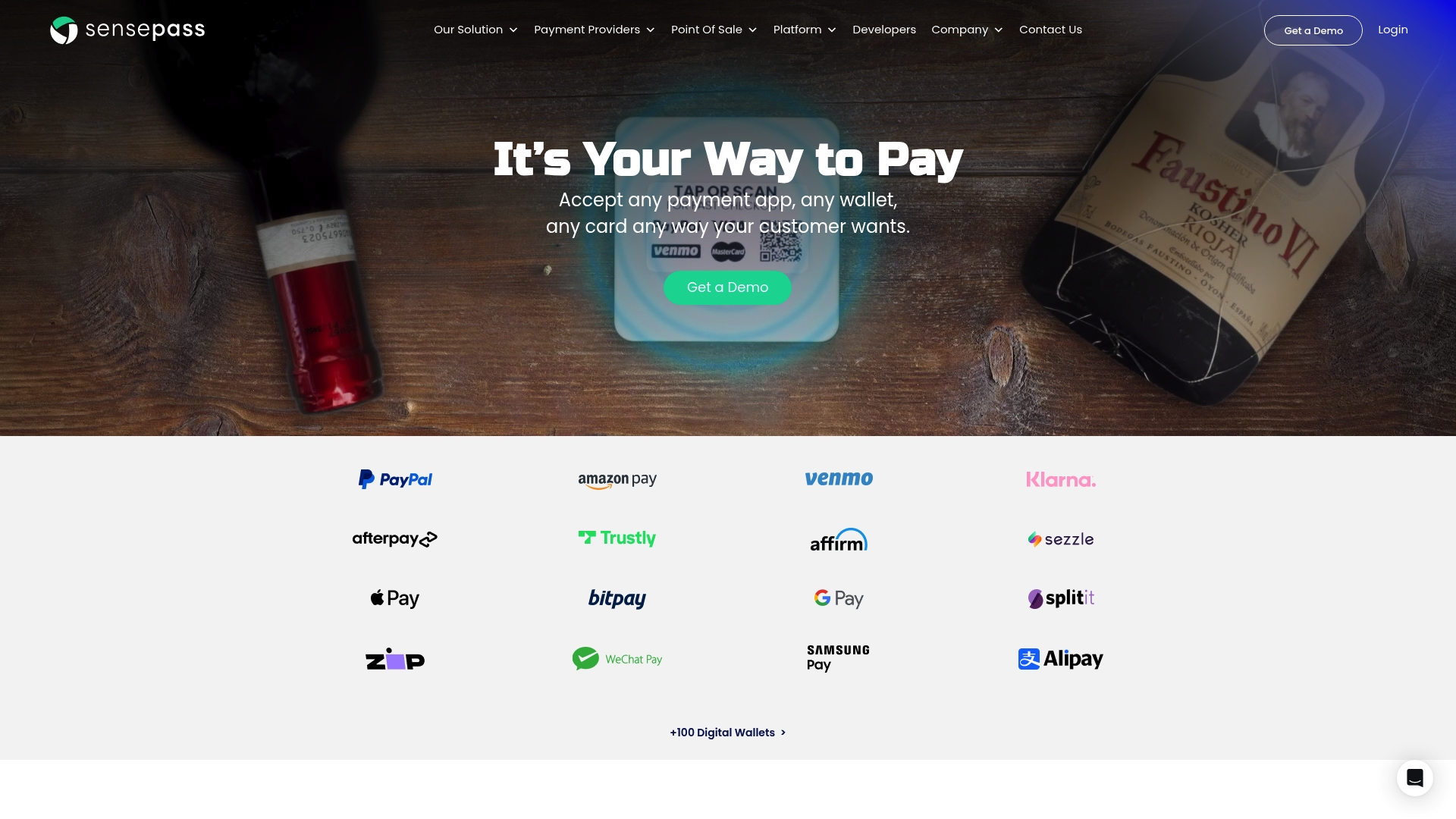
SensePass supports an extensive array of payment options including digital wallets like Apple Pay and PayPal, Buy Now Pay Later solutions like Klarna and Afterpay, financing options such as Affirm, crypto payments through BitPay and Coinbase, and bank payment services like Trustly. This wide coverage empowers merchants to build an omnichannel payment ecosystem that truly meets modern consumer expectations for fast, secure, and contactless payments.
Take control of your payment infrastructure today and transform your retail business with cutting-edge solutions. Discover how SensePass integrates with your existing systems to streamline transactions across all sales channels.
Ready to eliminate payment complexity and increase customer satisfaction? Visit SensePass.com now to explore seamless integration options and unleash the full potential of your omnichannel payments system. The future of retail payments is here—don’t get left behind.
Frequently Asked Questions
How can I evaluate supported payment platforms for my retail business?
To evaluate supported payment platforms, start by mapping out your existing transaction ecosystem. Identify key requirements such as transaction speed, security protocols, and integration capabilities with your current systems for a seamless customer experience.
What steps should I take to integrate secure payment solutions with my POS and eCommerce systems?
Begin by selecting a payment platform that supports multiple transaction channels and has robust security features. Ensure it integrates seamlessly with your point of sale and eCommerce platforms to streamline your payment processes and enhance the customer experience.
How do I configure digital wallets and alternative payment methods in my retail setup?
To configure digital wallets and alternative payment methods, choose a payment platform that offers comprehensive support for various payment options. Focus on integrating digital wallets, Buy Now Pay Later services, and cryptocurrency payments to meet diverse consumer preferences seamlessly.
What is processor-agnostic payment routing, and how can it benefit my retail operations?
Processor-agnostic payment routing allows you to direct transactions to the most suitable payment processor based on cost and speed. Implement this strategy to reduce processing fees and enhance transaction success rates, giving you more control over your payment infrastructure.
Why is testing and validating secure transaction flows crucial for my payment infrastructure?
Testing and validating secure transaction flows ensure that your payment system delivers reliable experiences across all transaction types. Conduct thorough testing to identify potential failure points and enhance customer trust by verifying the security of data transactions.
Recommended
- 7 Essential Tips for Your Omnichannel Payment Methods List – Omnichannel payments at the Point Of Sale | Sensepass
- What Is Omnichannel Payment? Complete Guide for Retailers – Omnichannel payments at the Point Of Sale | Sensepass
- Complete Guide to Omnichannel Payments for Retailers – Omnichannel payments at the Point Of Sale | Sensepass
- Retail Payment Platform: Complete Omnichannel Guide – Omnichannel payments at the Point Of Sale | Sensepass
- Top Floral Fragrance Dupes – Expert Comparison 2025

 New York Office
260 Madison Ave Suite 8018 New York NY 10016

