
What Is Mobile POS? Complete Overview for Retailers
November 9, 2025
Retailers are embracing a new era of flexibility as mobile point-of-sale solutions gain traction worldwide. Over 80 percent of businesses now consider mPOS systems crucial for streamlining sales and improving the customer experience. With the power to process payments anywhere and seamlessly track real-time data, retailers can respond quickly to fast-changing trends. This article reveals how mobile POS transforms retail operations, highlights the core benefits, and explains what retailers need to know to stay competitive.
Table of Contents
- Defining Mobile POS And Its Core Benefits
- Key Types Of Mobile POS Solutions
- How Mobile POS Systems Work In Retail
- Integration With POS Platforms And Payment Methods
- Financial Implications And Common Pitfalls
Key Takeaways
| Point | Details |
|---|---|
| Mobile POS Flexibility | mPOS systems allow retail transactions anywhere, enhancing convenience for customers and business efficiency. |
| Real-Time Insights | Mobile POS technology provides immediate sales, inventory, and customer data, facilitating quick, informed decision-making. |
| Cost-Effective Solutions | Utilizing existing mobile devices significantly reduces hardware costs in POS implementations. |
| Integration Capabilities | Modern mobile POS systems ensure seamless connections with various platforms, improving business management across sales channels. |
Defining Mobile POS and Its Core Benefits
A mobile point-of-sale (mPOS) system represents a transformative technology that enables retailers to process transactions and manage sales directly from mobile devices like smartphones and tablets. According to Salesforce, mPOS systems provide unprecedented flexibility and convenience for both customers and business owners by allowing transactions to occur anywhere, anytime.
The core functionality of mobile POS systems extends far beyond traditional cash register limitations. Retailing Summit highlights that these innovative systems enable retailers to conduct sales in diverse environments, including:
- Trade shows
- Pop-up shops
- Outdoor events
- Temporary retail locations
- Customer service areas
One of the most significant advantages of mobile POS technology is its ability to provide real-time business intelligence. Retailers gain immediate insights into sales performance, inventory levels, and customer purchasing patterns without being tethered to a stationary checkout counter. This dynamic approach to sales management empowers businesses to make rapid, data-driven decisions and adapt quickly to changing market conditions.
With SensePass’s mobile POS solution, retailers can seamlessly integrate multiple payment methods, track transactions in real-time, and create a more flexible, customer-centric shopping experience that meets the evolving expectations of modern consumers.
Key Types of Mobile POS Solutions
Mobile Point of Sale (POS) systems have evolved to offer retailers multiple sophisticated solutions that cater to diverse business needs. Wikipedia defines virtual POS systems as software solutions that enable businesses to process payments without physical currency or card readers, dramatically expanding payment options for modern retailers.
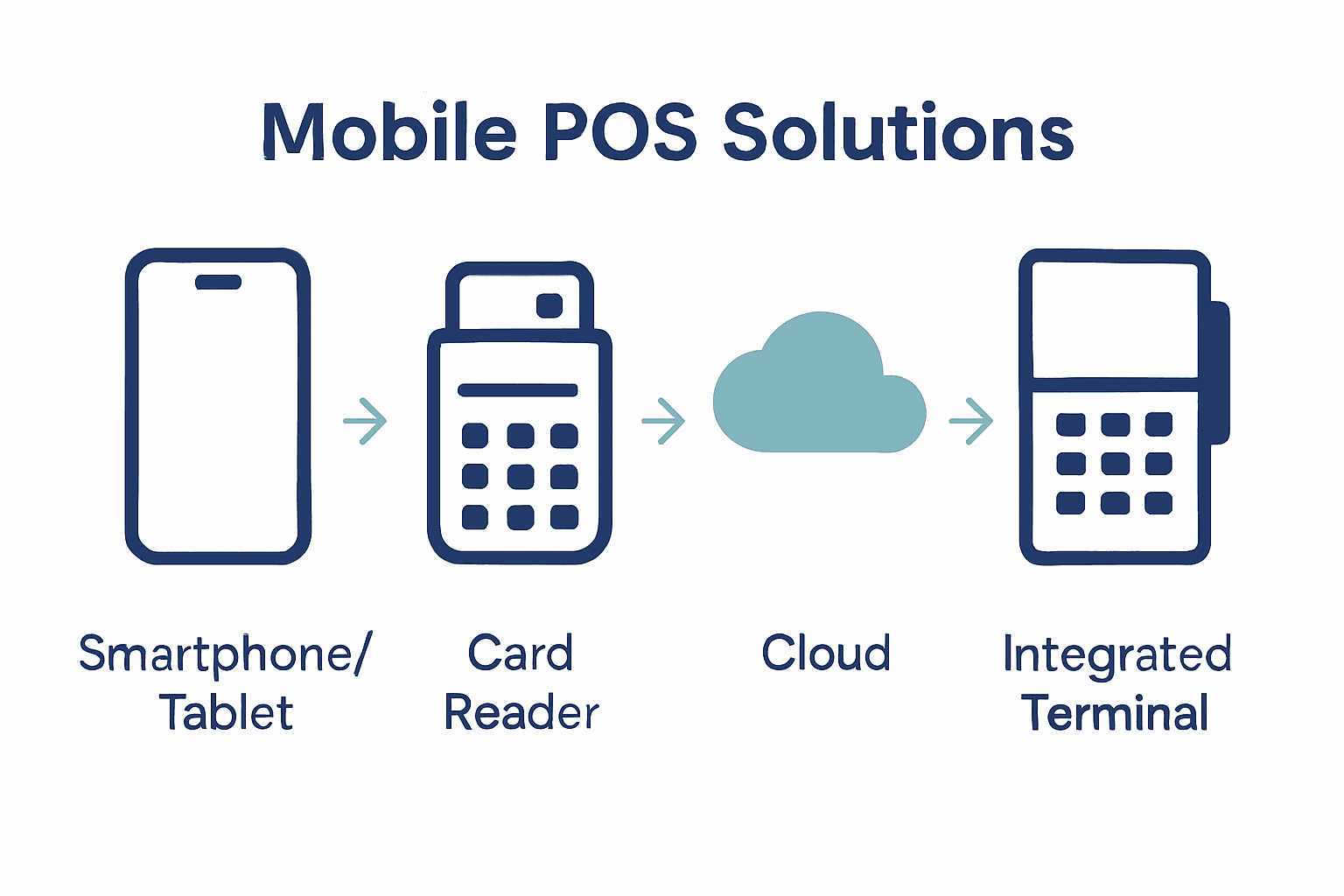
The primary types of mobile POS solutions include:
- Smartphone/Tablet-Based Systems: Leveraging mobile devices for transaction processing
- Portable Card Readers: Compact hardware that connects to mobile devices
- Cloud-Based POS: Web-connected systems providing real-time data synchronization
- Integrated Payment Terminals: Dedicated mobile devices with built-in payment capabilities
Wikipedia highlights semi-integrated POS systems as a critical innovation, which connect payment terminals with retail software while maintaining strict separation between payment information transmission and other systems. This approach significantly enhances transaction security and regulatory compliance.
For retailers seeking comprehensive mobile POS solutions, understanding the range of available payment technologies becomes crucial in selecting the right system that aligns with specific business requirements, customer preferences, and operational workflows.
How Mobile POS Systems Work in Retail
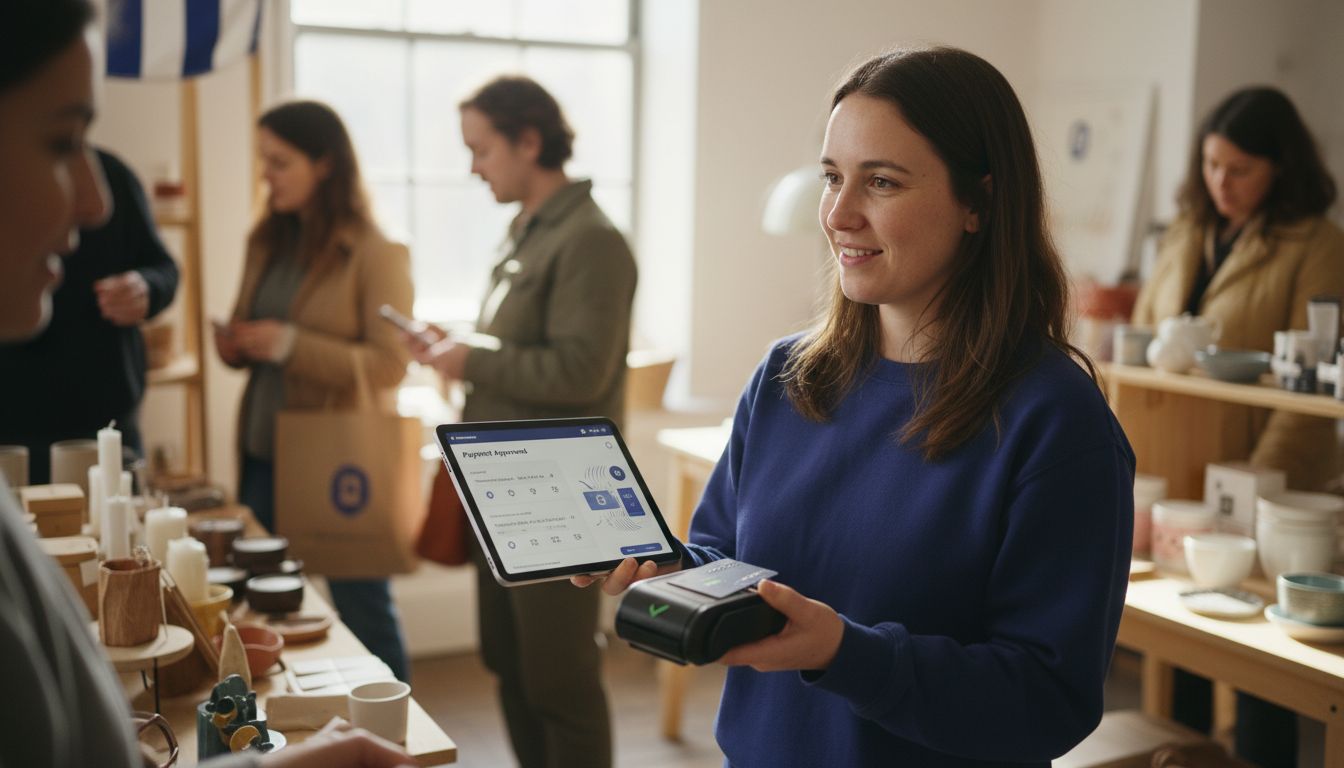
Salesforce explains that a mobile POS system fundamentally consists of three core components: a mobile device, a card reader or terminal, and sophisticated software that manages complex transaction processes. This integrated setup empowers retailers to process sales from virtually anywhere with internet connectivity, breaking free from traditional stationary checkout constraints.
The operational workflow of mobile POS systems typically involves several critical stages:
- Device Connection: Linking mobile devices with secure payment hardware
- Transaction Initiation: Scanning or manually entering product information
- Payment Processing: Accepting multiple payment methods securely
- Data Synchronization: Instantly updating inventory and sales records
- Receipt Generation: Providing digital or printed transaction confirmations
Retailing Summit highlights that these solutions seamlessly combine transaction processing with real-time inventory management. This integration allows retailers to conduct sales dynamically across diverse environments, from traditional retail spaces to pop-up stores, trade shows, and even outdoor venues.
For retailers seeking to optimize their payment infrastructure, understanding mobile payment technologies becomes crucial in selecting systems that provide flexibility, security, and comprehensive business intelligence.
Integration With POS Platforms and Payment Methods
Retailing Summit reveals that mobile POS systems represent a powerful integration technology, enabling seamless connections between e-commerce platforms, accounting tools, and customer relationship management systems. This comprehensive interconnectivity transforms how retailers manage sales data, inventory, and customer interactions across multiple channels.
The integration capabilities of modern mobile POS solutions typically encompass:
- E-commerce Platform Synchronization: Connecting online and offline sales channels
- Accounting Software Integration: Automatic financial record updates
- Inventory Management Systems: Real-time stock level tracking
- Customer Relationship Management (CRM): Unified customer data management
- Marketing Automation Tools: Streamlined customer engagement tracking
Priority Software emphasizes that these integrations help retailers bridge traditional and modern shopping practices by creating a unified ecosystem that supports diverse payment methods and technological platforms. This approach enables businesses to adapt quickly to evolving consumer preferences and technological advancements.
For retailers looking to optimize their payment infrastructure, understanding payment integration strategies becomes crucial in selecting systems that provide comprehensive, flexible, and future-proof solutions for their unique business needs.
Financial Implications and Common Pitfalls
Priority Software highlights a significant financial advantage of mobile POS systems: the dramatic reduction in hardware costs. By leveraging standard mobile devices like smartphones and tablets, retailers can eliminate expensive, custom hardware investments, transforming traditional capital expenditure models for point-of-sale technology.
Key financial considerations and potential pitfalls include:
- Initial Investment: Comparing software licensing versus hardware purchase costs
- Ongoing Maintenance: Evaluating software update and support expenses
- Security Infrastructure: Budgeting for robust cybersecurity measures
- Training Expenses: Allocating resources for staff technology adaptation
- Integration Costs: Calculating expenses for connecting existing systems
GetPOS emphasizes that while mobile POS systems offer tremendous benefits, retailers must proactively address security challenges. Modern solutions incorporate advanced protection mechanisms such as:
- End-to-end encryption
- Tokenization of payment data
- Compliance with PCI DSS security standards
- Multi-factor authentication
- Regular security audits
For retailers seeking to navigate these complex financial considerations, understanding integrated payment systems becomes crucial in making informed technology investment decisions that balance cost-effectiveness with robust operational capabilities.
Elevate Your Retail Experience with SensePass Mobile POS Solutions
Retailers face constant pressure to deliver seamless, flexible payment experiences while keeping operations smooth and secure. This article highlights the importance of mobile POS systems that enable sales anywhere with real-time inventory updates and broad payment acceptance. If you want to overcome challenges like hardware costs, security, and fragmented payment options mobile POS solutions from SensePass are designed to fit your exact needs.
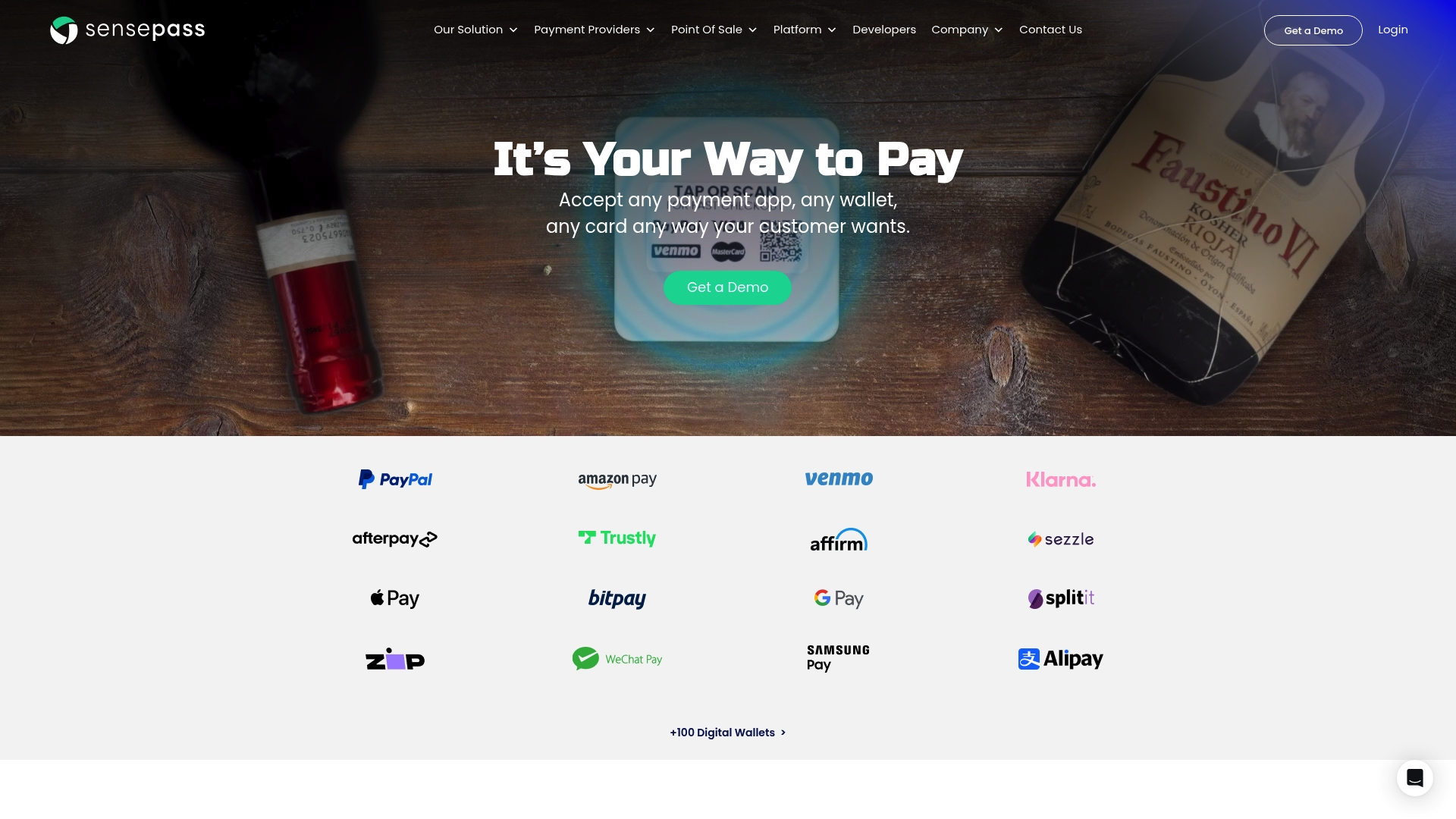
SensePass integrates effortlessly with leading platforms including NetSuite, Shopify POS, Oracle Xstore, Aptos, and Dynamics365. Our processor-agnostic gateway supports over 50 card processors and a vast range of payment methods such as PayPal, Apple Pay, Klarna, Affirm, BitPay, and Trustly. This means your business can accept digital wallets, BNPL options, crypto payments, and bank transfers all from a single unified system.
Ready to transform the way your retail business handles payments? Visit SensePass.com now to discover how our mobile POS solutions empower you to increase sales conversion, reduce processing costs, and meet the payment expectations of today’s consumers with ease. Don’t wait any longer. Take the next step toward a flexible, secure, and future-proof payment system tailored for your store.
Frequently Asked Questions
What is a mobile POS system?
A mobile POS (mPOS) system is a technology that allows retailers to process sales transactions using mobile devices like smartphones and tablets, providing flexibility to conduct sales anywhere.
What are the benefits of using mobile POS systems in retail?
The primary benefits of mobile POS systems include improved flexibility for sales transactions, real-time business intelligence, seamless integration with various payment methods, and enhanced customer engagement.
How do mobile POS systems work?
Mobile POS systems typically consist of a mobile device, a card reader or terminal, and software that manages transactions. They operate by connecting the device to payment hardware, processing sales, synchronizing data, and generating receipts.
What types of mobile POS solutions are available?
The main types of mobile POS solutions include smartphone/tablet-based systems, portable card readers, cloud-based POS systems, and integrated payment terminals, each offering unique features to suit different retail environments.
Recommended
- In-Store Mobile Payment Trends & Technologies – Omnichannel payments at the Point Of Sale | Sensepass
- 7 Top Mobile Payment Solutions List for Retailers – Omnichannel payments at the Point Of Sale | Sensepass
- 7 Essential Mobile Payment Solutions List for Retailers – Omnichannel payments at the Point Of Sale | Sensepass
- 7 Essential Mobile Payment Solutions List for Retailers – Omnichannel payments at the Point Of Sale | Sensepass

 New York Office
260 Madison Ave Suite 8018 New York NY 10016

